
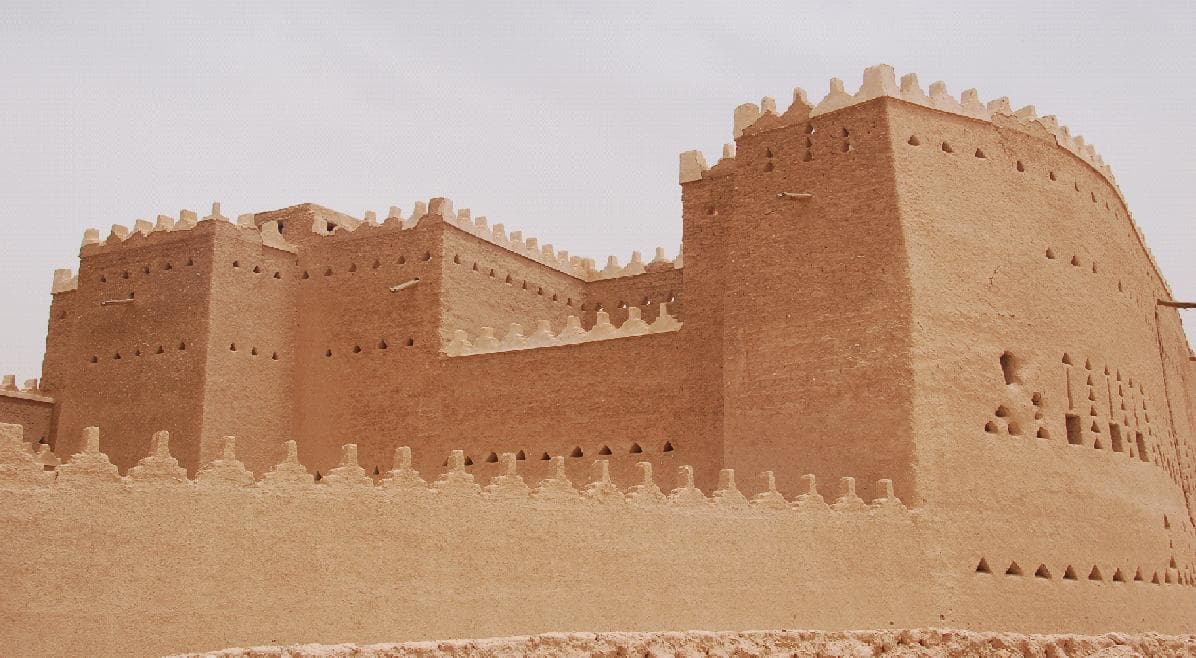
Overview
The Kingdom of Lihyan is an ancient Arab kingdom that flourished in the northwest of the Arabian Peninsula, specifically in the AlUla region, and it followed the Kingdom of Dadan in ruling the area. [2][4]
Its influence extended from the sixth century BC to the second century BC, and it was one of the ancient kingdoms of the northwest of the Arabian Peninsula. [4]
Location and Influence
The Kingdom of Lihyan flourished in the northwest of the Arabian Peninsula, specifically in the AlUla region, and within its territory the Lihyanite and Dadanite inscriptions were documented, through which its religious thought and history are studied. [2]
The kingdom ruled most parts of the northwest of the Arabian Peninsula, the area over which its antiquities and inscriptions spread. [4]
Dadan and Al-Khuraybah
The Al-Khuraybah site is part of the ruins of the ancient city of Dadan, the capital of the Arab Kingdom of Dadan and then of the Kingdom of Lihyan, which succeeded it in ruling the area. [4]
This area lies within the surroundings of the AlUla oasis, and it is adjacent to heritage landmarks, among them the Old Town of AlUla. [4]
Dadan was subject to the rule of the Lihyanite civilisation for several centuries, and its civilisation spanned more than 2,500 years. [3]
The inscriptions at Al-Khuraybah documented the economic, political, religious and social conditions of the Lihyanites. [4]
The Umm Daraj Site
The Umm Daraj site in AlUla dates to the second and third centuries BC; it is one of the most prominent sites connected with the Kingdom of Lihyan, and it is distinguished by its stone staircase, considered one of the most prominent and longest archaeological staircases known in the region. [1]
The site contains architectural structures, Lihyanite inscriptions, stone carvings and various archaeological finds. [1]
On Jabal Umm Daraj in the northwest of AlUla there are inscriptions dating to the Lihyanite civilisation, whose beginnings go back to the fifth century BC. [5]
The Royal Commission for AlUla Governorate launched the book "The Umm Daraj Site: Beacon of the Kingdom of Lihyan" by Dr. Hussein bin Ali Abu Al-Hasan, in three languages, namely Arabic, English and French; the book documents the historical and cultural value of the site and the readings and translations of its Lihyanite inscriptions. [1]
Inscriptions and Writings
Jabal Ikmah, inscribed in the UNESCO Memory of the World register, contains nearly 300 inscriptions, most of which date to the period of Dadanite and Lihyanite rule in Dadan. [6]
The valleys of AlUla, such as Wadi Abu Awd, contain Lihyanite and rock inscriptions that embody scenes of life and tribal symbols, and reflect human interaction with the natural environment through the ages. [7]
Religious Thought and Offerings
Offerings were an essential part of worship in the Kingdom of Lihyan. [2]
The Lihyanite inscriptions recorded ritual practices and belief expressions that reflect the religious structure of the society, along with names and social classes ranging from clergy and kings down to commoners, craftsmen and slaves. [2]
The King Abdulaziz Foundation (Darah) published a scholarly book titled "Offerings in the Religious Thought of the Kingdom of Lihyan: A Historical Study in the Light of the Dadanite Inscriptions", authored by Dr. Fathia Hassan Oqab. [2]
Cultural Exchange and the Lihyanite School of Sculpture
The Kingdom of Lihyan was an influential cultural centre that interacted with its cultural surroundings in Egypt, Syria and the south of the Arabian Peninsula, reflecting a broad cultural exchange that went beyond its geographical borders. [2]
In 2022, the Royal Commission for AlUla Governorate announced the signing of an agreement with the Louvre Museum in Paris, under which a statue dating to the Lihyanite period is displayed, within a five-year cooperation agreement. [3]
The statue is classified among the features of the Lihyanite school of sculpture, and it carries precise details of carved form with inspiration from local artistic influences. [3]
Frequently Asked Questions
Q: What is the Kingdom of Lihyan? A: An ancient Arab kingdom that flourished in the northwest of the Arabian Peninsula, specifically in the AlUla region; it followed the Kingdom of Dadan in ruling the area, and its influence extended from the sixth century to the second century BC. [2][4]
Q: What are the most prominent sites connected with the Kingdom of Lihyan? A: The Umm Daraj site, which dates to the second and third centuries BC and is distinguished by its stone staircase, and the Al-Khuraybah site, which is part of the ruins of the ancient city of Dadan that the Kingdom of Lihyan ruled for centuries, and whose civilisation spanned more than 2,500 years. [1][3][4]
Q: Where were the inscriptions of the Kingdom of Lihyan documented? A: At several sites in AlUla, among them Jabal Ikmah, which contains nearly 300 inscriptions, most of which date to the Dadanite and Lihyanite eras, and valleys such as Wadi Abu Awd, which contain Lihyanite and rock inscriptions. [6][7]
Q: What highlights the cultural legacy of the Kingdom of Lihyan? A: Its interaction with its cultural surroundings in Egypt, Syria and the south of the Arabian Peninsula, and its school of sculpture, one of whose statues was displayed in the Louvre Museum in Paris under a five-year cooperation agreement. [2][3]
Related topics
- EventKingdom of DadanThe Kingdom of Dadan is an ancient Arabian kingdom in the northwest of the Arabian Peninsula; the city of Dadan was its historic capital and later the capital of the Kingdom of Lihyan, with its period extending from the late ninth century BCE. It is located in AlUla Governorate and contains tombs carved into red rock slopes and Dadanitic inscriptions on Jabal Ikmah.
- Governorate and oasis geographyGeography of AlUlaAlUla is a governorate in Madinah Region in northwestern Saudi Arabia, where cultivated oases and settlements lie among wadis and desert escarpments.
- HistoricAlUla Old TownAlUla Old Town is a historic settlement in the centre of AlUla Governorate, preserving an earthen urban fabric of hundreds of houses, markets and historic passageways. It was selected among the Best Tourism Villages in the World for 2022.
- Archaeological sitesHistory of HegraHegra, also called Mada'in Salih, is an archaeological site in AlUla Governorate whose tombs, wells and inscriptions illuminate Nabataean life and caravan routes.
- EventQaryat al-FawQaryat al-Faw is an archaeological site in Wadi ad-Dawasir Governorate, south of the Riyadh Region, also known as Dhat Kahil, and served as the capital of the Kingdom of Kindah from the fourth century BCE until the early fourth century CE. The Cultural Landscape of Al-Faw Archaeological Area was inscribed on the World Heritage List in 2024.
Sources & references
- Saudi Press Agency (SPA): "The Umm Daraj Site: Beacon of the Kingdom of Lihyan"
- Saudi Press Agency (SPA): the King Abdulaziz Foundation's publication of a book on religious thought in the Kingdom of Lihyan
- Saudi Press Agency (SPA): the agreement of the Royal Commission for AlUla Governorate with the Louvre Museum
- Saudi Press Agency (SPA): the Al-Khuraybah site, Dadan and the Kingdom of Lihyan
- Saudi Press Agency (SPA): Jabal Umm Daraj and the Lihyanite inscriptions
- Saudi Press Agency (SPA): Jabal Ikmah and the Memory of the World register
- Saudi Press Agency (SPA): the Lihyanite and rock inscriptions in the valleys of AlUla