History

Articles in this section, each with its sources.

6 topics availableSearch all sections
Image credits
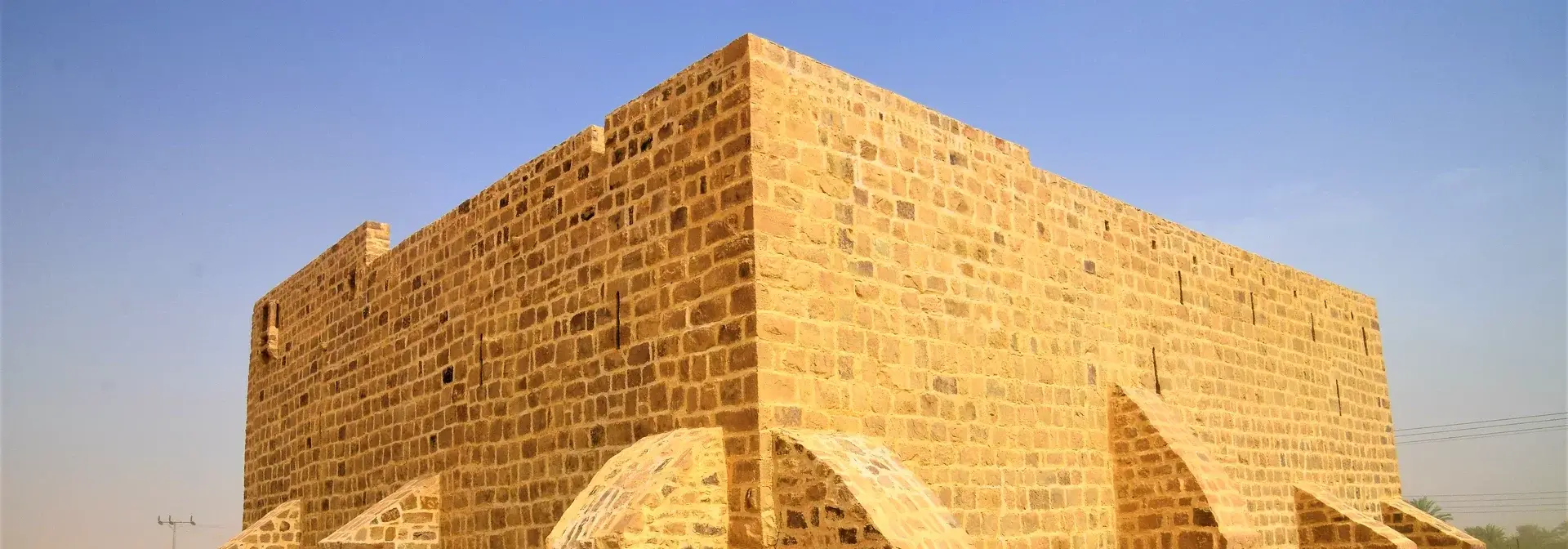
Image attribution: Walls of the early Islamic town of Fayd, Saudi Arabia (2) — Prof. Mortel, via Wikimedia Commons, CC BY 2.0. Source: https://commons.wikimedia.org/wiki/File%3AWalls_of_the_early_Islamic_town_of_Fayd%2C_Saudi_Arabia_(2).jpg ; license: https://creativecommons.org/licenses/by/2.0 . CMS derivative: converted to WebP at quality 85; proportionally resized within 2400 × 2400 without enlargement where needed. / نسخة CMS: تحويل إلى WebP بجودة 85 وتصغير تناسبي عند الحاجة ضمن 2400 × 2400 دون تكبير. · License: CC BY 2.0 — https://creativecommons.org/licenses/by/2.0
Historic routes

Darb Zubaydah

The Kufa pilgrimage road linking Iraq to Makkah through five Saudi regions, used since before Islam and named after the spring dug by Zubaydah bint Ja'far.

Read article
Image credits
Image attribution: Source: photomechanical print "Medina. Hauptbahnhof vor dem Westtor. 1914", Miscellaneous Items in High Demand, Library of Congress (LCCN 2002714726), 1914, public domain. Via Wikimedia Commons. Modified: resized and cropped to 1920×672 to fit the article cover. / المصدر: مطبوعة ضوئية بعنوان «Medina. Hauptbahnhof vor dem Westtor. 1914» من مجموعة Miscellaneous Items in High Demand، مكتبة الكونغرس الأمريكية (LCCN 2002714726)، تصوير 1914م، ملكية عامة. متاحة عبر ويكيميديا كومنز. عُدِّلت: أُعيد تحجيمها وقُصّت إلى 1920×672 لتناسب غلاف المقالة. · License: Public domain
1900–1917

Hejaz Railway

The Hejaz Railway is a railway line ordered to be built in March 1900, with work beginning in 1900, to link the Muslims of the northern Arabian Peninsula with the Holy Places; it runs from Damascus station to Madinah station. The first train reached Madinah on 22 Rajab 1326 AH, corresponding to 23 August 1908, and the line operated for about nine years. The Kingdom of Saudi Arabia today preserves its station, its museum and its antiquities in the Tabuk and Madinah regions.

Read article
Image credits
Image attribution: Al-Ula Old Town 2021 — photograph by Richard Mortel, CC BY 2.0, via Wikimedia Commons (File:Al-Ula Old Town 2021.jpg, 4032×3024). Modified: a 1920×672 horizontal band cropped from the centre (no upscaling, no retouching, no elements added). Same photograph is already held in the encyclopedia media library as asset id 94. / «البلدة القديمة في العُلا» — تصوير Richard Mortel، رخصة CC BY 2.0، عبر ويكيميديا كومنز (الملف: File:Al-Ula Old Town 2021.jpg، مقاسه 4032×3024). عُدِّلت: قُصّ شريط أفقي 1920×672 من وسط الصورة دون تكبير ولا تنقيح ولا إضافة عناصر. والصورة ذاتها محفوظة في مكتبة وسائط الموسوعة بالمعرّف 94. · License: CC BY 2.0
القرن الرابع قبل الميلاد – القرن الخامس الميلادي

Incense Trade Route

The Incense Trade Route is a trade artery established by the caravans from the south of the Arabian Peninsula between Makkah and Madinah, on to the Levant to the north and Al-Ahsa and Bahrain to the east. Stations along its course include Qaryat al-Faw, AlUla and the Hegra site, and the Kingdom of Saudi Arabia is reviving this legacy today through cultural and tourism projects.

Read article
Image credits
Image attribution: Dhat al-Hajj fort on the Shami Hajj route — Heritage Commission, CC BY-SA 4.0, via Wikimedia Commons (original file: File:ذات الحجاج.jpg, 4496×3000). Modified: cropped to a 1920×672 horizontal band and the camera date stamp in the lower margin removed. / قلعة ذات الحاج على طريق الحج الشامي — هيئة التراث (Heritage Commission)، رخصة CC BY-SA 4.0، عبر ويكيميديا كومنز (الملف الأصلي: File:ذات الحجاج.jpg، 4496×3000). التعديل: اقتُصّ شريط أفقي وحُوّل إلى 1920×672 وأُزيل طابع تاريخ الكاميرا من الحاشية السفلى. · License: CC BY-SA 4.0
عبر قرون طويلة حتى العهد السعودي

Shami Hajj Route

The Shami Hajj Route is a historic course taken by pilgrims coming from the Levant to Makkah and Madinah, which for long centuries served as a main artery for the passage of caravans and a civilisational route linking the parts of the Islamic world. It runs from Damascus through archaeological forts and stations until Madinah, and the Kingdom of Saudi Arabia continues to develop it with modern roads and integrated services for pilgrims and Umrah performers.

Read article
Image credits
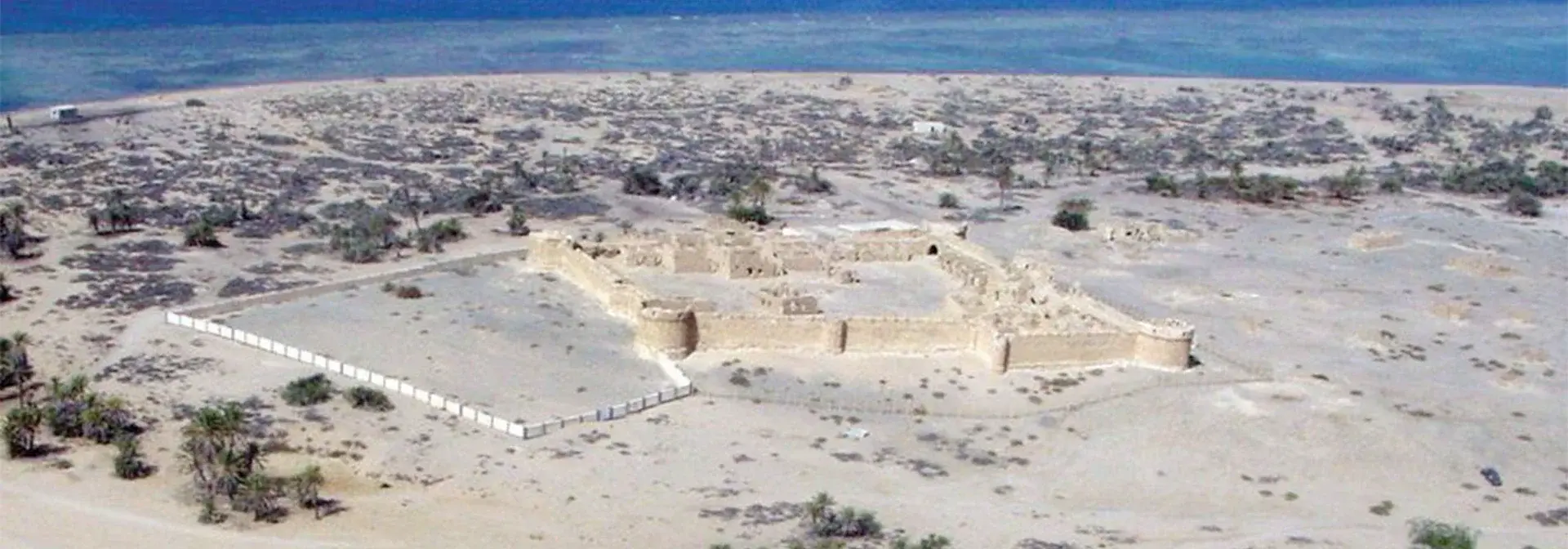
Image attribution: Al-Zuraib fort on the Egyptian Hajj route — Saudipedia (page ‘طريق الحج المصري’), copyright reserved to the Ministry of Media 2026. Modified: cropped from the original (2850×1815) to a 1920×672 webp cover. / قلعة الزريب على درب الحج المصري — سعوديبيديا (صفحة «طريق الحج المصري»)، حقوق النشر محفوظة لوزارة الإعلام 2026. التعديل: اقتُصّ شريط أفقي من الأصل (2850×1815) وحُوّل إلى غلاف webp بمقاس 1920×672. · License: حقوق النشر محفوظة لوزارة الإعلام 2026 (سعوديبيديا)
منذ بداية العصر الإسلامي حتى العهد الحديث

Egyptian Hajj Route

The Egyptian Hajj Route is one of the seven most important pilgrimage and trade routes that linked the Islamic world to the Arabian Peninsula, and was taken by pilgrims from Egypt, the Maghreb, Al-Andalus and West Africa from the beginning of the Islamic era. It combines a coastal land path across Sinai with stations as far as Makkah and a sea route through the port of Aydhab.

Read article
Image credits
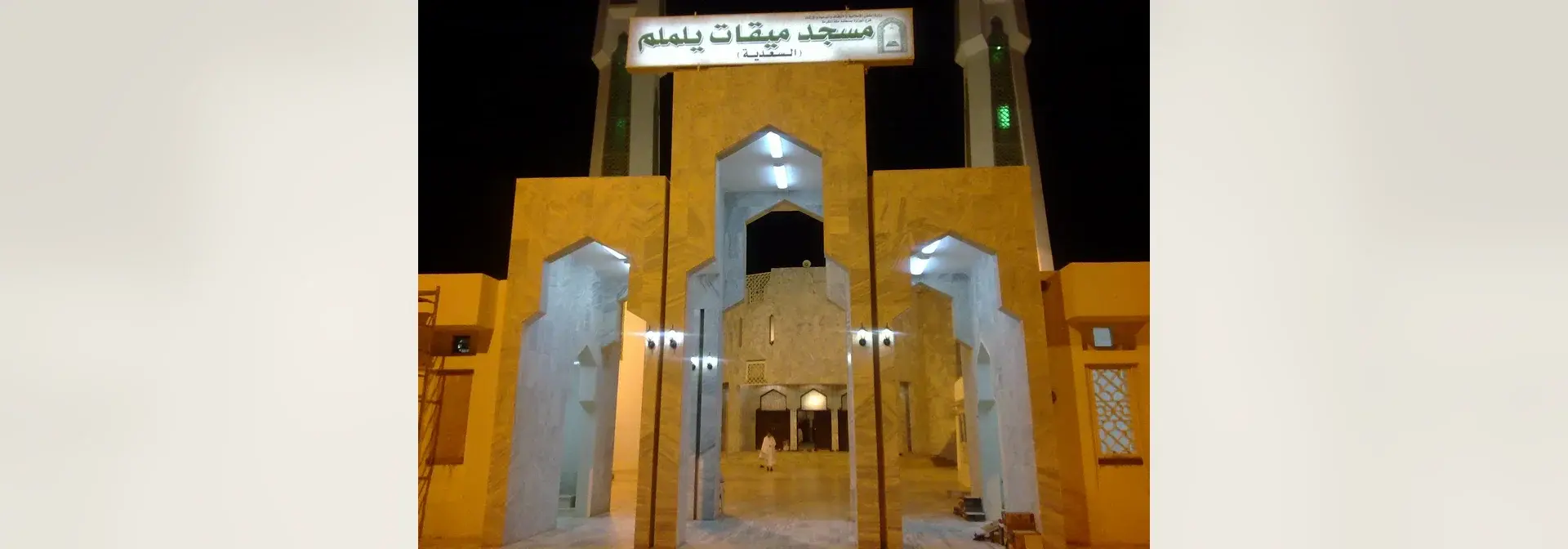
Image attribution: ويكيميديا كومنز — الملف: File:Yalamlam.jpg (https://commons.wikimedia.org/wiki/File:Yalamlam.jpg) — الترخيص: CC BY-SA 3.0 — المؤلف: Aiman titi (عمل شخصي، نُقل من كاميرا Nokia N97 mini). أُدرِجت الصورة كاملةً بلا قصٍّ ولا تكبير في غلاف 1920×672 على خلفية مموّهة كريميّة مشتقّة من الصورة ذاتها؛ لا طبقة نصّية ولا شعار منصة. · License: CC BY-SA 3.0
من العصور القديمة إلى العهد السعودي

The Yemeni Hajj Route

The Yemeni Hajj Route is a network of historical pilgrimage roads that linked Yemen with Hejaz from ancient times, its paths multiplying between the coastal route, the inland or middle route and the upper route. The main body of Yemeni pilgrims set out from Aden, Taiz, Sanaa, Zabid and Saada, passing through stations in Najran and Jazan before reaching Makkah and the Holy Sites.

Read article