Image credits
Al-Qatt Al-Asiri
A traditional art of painted wall decoration in Asir homes, practised by women, added to UNESCO's Representative List of the Intangible Cultural Heritage in 2017.
Read articleArticles in this section, each with its sources.
A traditional art of painted wall decoration in Asir homes, practised by women, added to UNESCO's Representative List of the Intangible Cultural Heritage in 2017.
Read articleAl-Sadu is a handweaving craft based on weaving threads of camel hair, goat hair and sheep wool. It is known among the people of the Kingdom of Saudi Arabia, who used it to make hair houses, carpets, daily necessities and tribal clothing, and its weaving was registered on the Representative List of the Intangible Cultural Heritage at UNESCO.
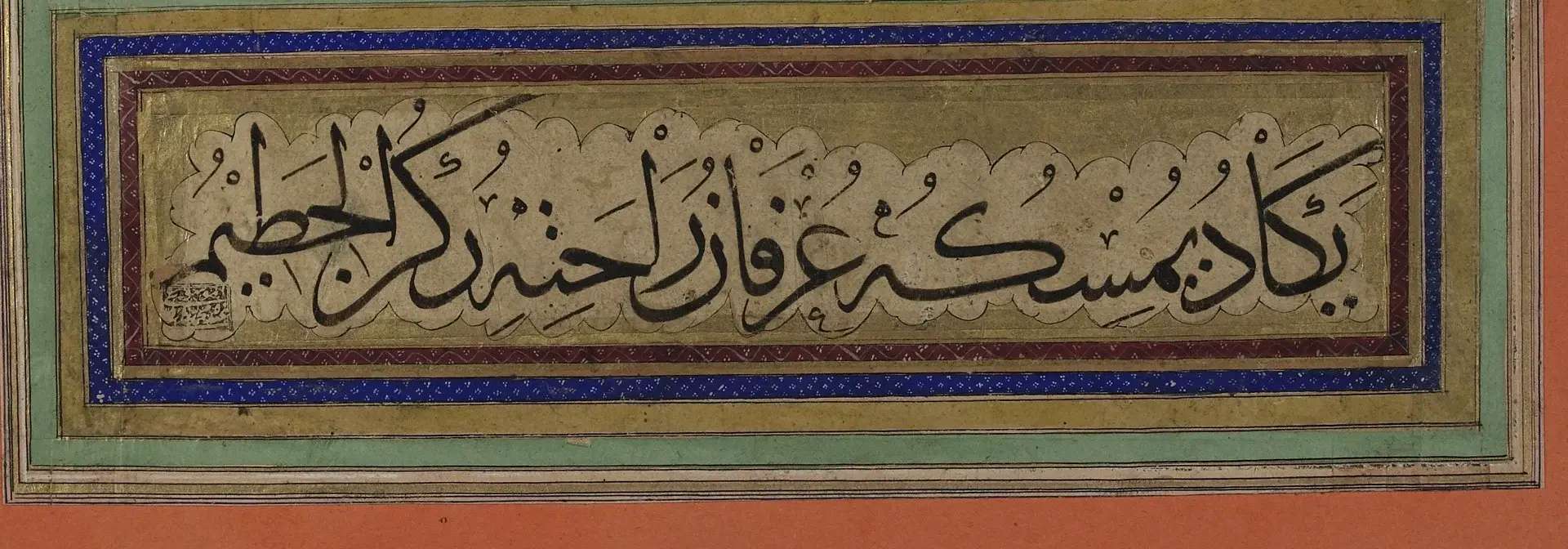
Read articleArabic Calligraphy is the art of writing the Arabic letters, and in the Kingdom of Saudi Arabia it receives care that extends to serving the Qur'anic text and developing its digital tools. Foremost among the manifestations of that is the collection of computerised fonts produced by the King Fahd Complex for the Printing of the Holy Qur'an, alongside the International Competition for Writing the Holy Qur'an.
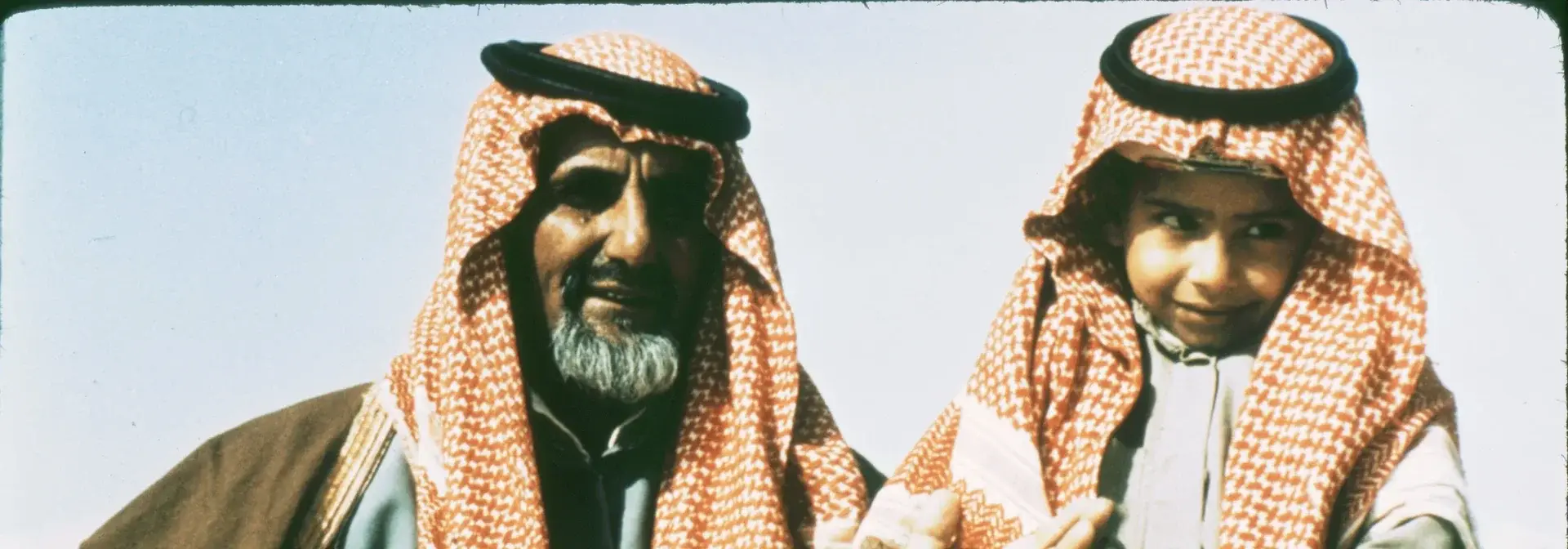
Read articleSaudi traditional dress is a clothing heritage that expresses the identity of the Kingdom of Saudi Arabia and the diversity of its regions. Men's dress rests on the thobe, the agal, and the ghutra, women's dress ranges from the munaykhal and mushallal thobes to the darra'a and the kartah, and the King Abdulaziz Foundation for Research and Archives documents the dress of the Kingdom's regions in a specialised series of publications.
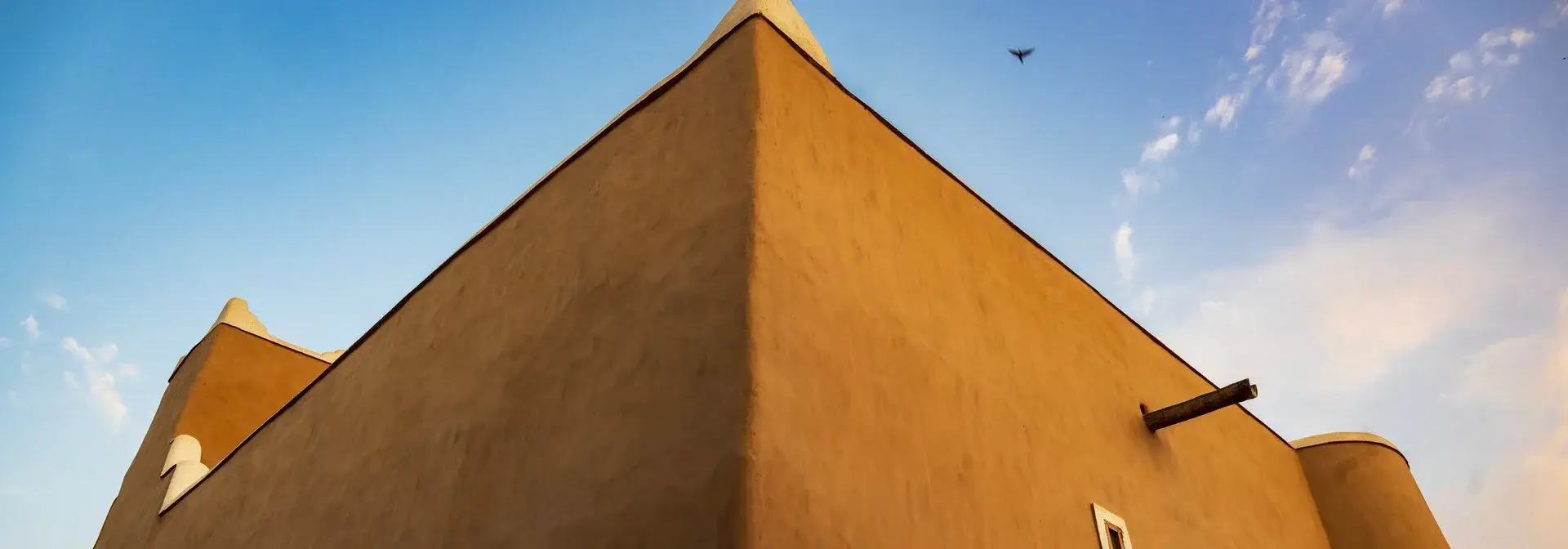
Read articleNajdi Architecture is a Saudi architectural style that expresses the urban identity of the Najd region, and it draws on local construction materials in a design adapted to the desert climate. Its applications continue in modern urban projects, competitions and cultural events inside the Kingdom and abroad.
Read articleHejazi architecture is a Saudi architectural style associated with the coastal areas on the Red Sea, known for its wooden rawasheen and historic houses. It is included in the Saudi Architecture Map, which comprises 19 architectural styles, and efforts to protect and develop it continue.
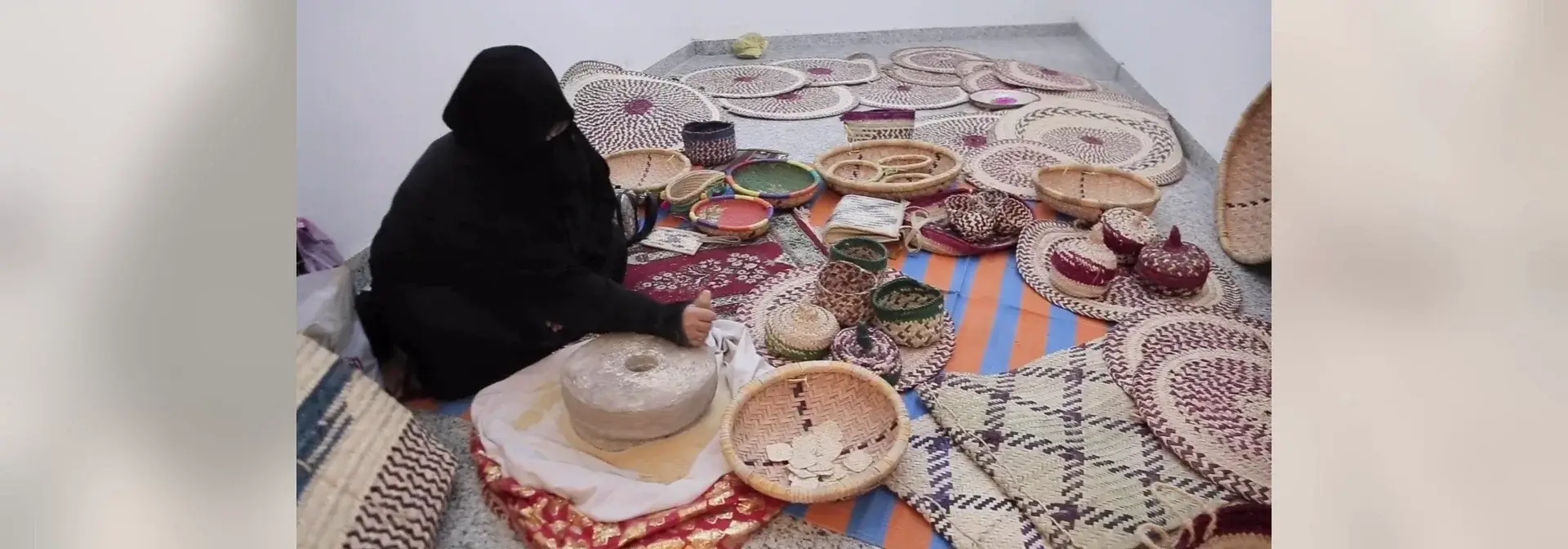
Read articleSaudi traditional handicrafts are a productive activity based primarily on manual work that draws its designs and artistic elements from the cultural heritage inherited across the regions of the Kingdom. The Law of Crafts and Handicrafts was issued by Royal Decree No. (M/49) dated 1447/03/02 AH to regulate the activity, develop it and protect it from extinction. [1][3]
Read articleSaudi traditional jewellery is the tools and objects used for personal adornment. It is made from gold, silver, platinum and precious stones, and its manufacture and trade are regulated by the Precious Metals and Gemstones Law and its technical regulation. The craft of jewellery and gemstones is recognised as a craft field under the Crafts and Handicrafts Law.
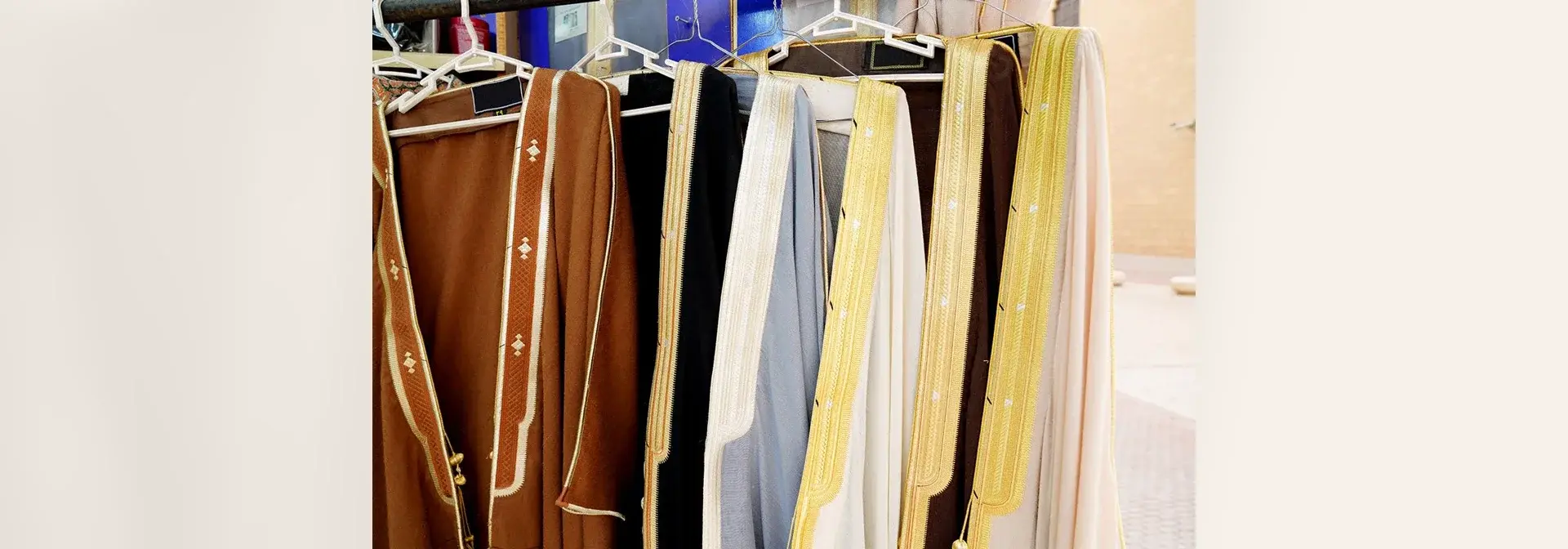
Read articleThe bisht is a long-standing traditional attire and a deeply rooted cultural heritage in the Kingdom of Saudi Arabia, one of the most prominent heritage symbols there and an essential piece in men's attire during the Eid holidays and official and social occasions. Its Al-Ahsa variety is celebrated by the Ministry of Culture and the Heritage Commission through the Al-Ahsa Bisht Festival and programs to preserve the craft.
Read article