Heritage

Articles in this section, each with its sources.

42 topics availableSearch all sections
Image credits
Image attribution: Photo of an Al-Dahha folk-dance performance — Source: Saudipedia (the Saudi Encyclopedia), subject page «رقصة الدحة» (og:image): https://saudipedia.com/رقصة-الدحة — direct image: https://saudipedia.com/var/site/storage/images/8/9/9/7/4787998-1-ara-SA/90648a13f2ce-66095.jpg — rights holder: Saudi Ministry of Media (per the page notice «حقوق النشر محفوظة لوزارة الإعلام 2026»). Modified: the original photo (1280×800) is placed whole, with no cropping and no upscaling, centred on a 1920×672 cover over a blurred cream #f4efe5 backdrop derived from the photo itself; no elements or text added. / صورة أداء فن الدحة — المصدر: سعوديبيديا (الموسوعة السعودية)، صفحة الموضوع «رقصة الدحة» (og:image): https://saudipedia.com/رقصة-الدحة — الرابط المباشر للصورة: https://saudipedia.com/var/site/storage/images/8/9/9/7/4787998-1-ara-SA/90648a13f2ce-66095.jpg — صاحب الحقوق: وزارة الإعلام (وفق إشعار «حقوق النشر محفوظة لوزارة الإعلام 2026» في الصفحة). التعديل: وُضعت الصورة الأصلية (1280×800) كاملةً بلا قص ولا تكبير في وسط غلاف 1920×672 على خلفية مموّهة كريمية #f4efe5 مشتقّة من الصورة نفسها، دون إضافة أي عنصر أو نص. · License: جميع الحقوق محفوظة — وزارة الإعلام (سعوديبيديا)
Performing arts and intangible heritage

Al-Dahha

Al-Dahha is a performing art and folk heritage particular to the northern regions of Saudi Arabia, performed collectively in one or two facing rows in which the poet Al-Badda' sings, and closed with the dance of Al-Hashi. Al-Dahha features prominently in national festivals, social occasions and weddings.

Read article
Image credits
Image attribution: Saudipedia (the Saudi Encyclopedia) — image from the "قصر المربع / Murabba Palace" article page. Copyright reserved to the Ministry of Information. Source: https://saudipedia.com/قصر-المربع / سعوديبيديا (الموسوعة السعودية) — صورة صفحة «قصر المربع». حقوق النشر محفوظة لوزارة الإعلام. المصدر: https://saudipedia.com/قصر-المربع · License: © جميع الحقوق محفوظة — وزارة الإعلام (سعوديبيديا)
1355هـ–1447هـ

Murabba Palace

Murabba Palace is a historic palace in the city of Riyadh in the Kingdom of Saudi Arabia, which King Abdulaziz bin Abdulrahman Al Saud took as his residence and as a centre for administering the affairs of governance and conducting the business of the state alongside Qasr al-Hukm. Today it forms part of the King Abdulaziz Historical Centre, together with the King Abdulaziz Memorial Hall and the King Abdulaziz Private Library.

Read article
Image credits
Image attribution: Author: Bluemangoa2z (transferred from Malayalam Wikipedia to Wikimedia Commons) — License CC BY 3.0 — Source: Wikimedia Commons, file "Masjid al-Haram panorama.JPG". Modified: cropped and rescaled to 1920×672, no other changes. / المصوّر: Bluemangoa2z (نُقلت من ويكيبيديا المالايالامية إلى ويكيميديا كومنز) — رخصة CC BY 3.0 — المصدر: ويكيميديا كومنز، ملف «Masjid al-Haram panorama.JPG». عُدِّلت الصورة: اقتُطعت وأُعيد تحجيمها إلى 1920×672 دون أي تعديل آخر. · License: CC BY 3.0
161هـ/778م–1436هـ/2015م

The Grand Mosque (Al-Masjid Al-Haram)

The Grand Mosque (Al-Masjid Al-Haram) is the mosque at the centre of which stands the Kaaba in Makkah, and successive states and restorations followed upon its construction across the ages. In the Saudi era it witnessed major expansions and construction works, most notably the Third Saudi Expansion and the raising of the capacity of the Mataf and the courtyards.

Read article
Image credits
Image attribution: Saudi Press Agency (SPA) — source: cc.spa.gov.sa, CC BY-SA 4.0, via Wikimedia Commons; resized and cropped to 1920×672 for the article cover / وكالة الأنباء السعودية (واس) — المصدر: cc.spa.gov.sa (منصّة الصور السعودية)، رخصة CC BY-SA 4.0، عبر ويكيميديا كومنز؛ أُعيد تحجيم الصورة واقتصاصها إلى 1920×672 لغلاف المقالة · License: CC BY-SA 4.0
1هـ–1447هـ

The Prophet's Mosque

The Prophet's Mosque is the mosque of the Prophet Muhammad ﷺ in Madinah, built in the first year of the Hijrah over an area of 1,050 square meters. Several constructions followed across the Islamic eras, and the mosque saw its widest expansions in the Saudi era.

Read article
Image credits
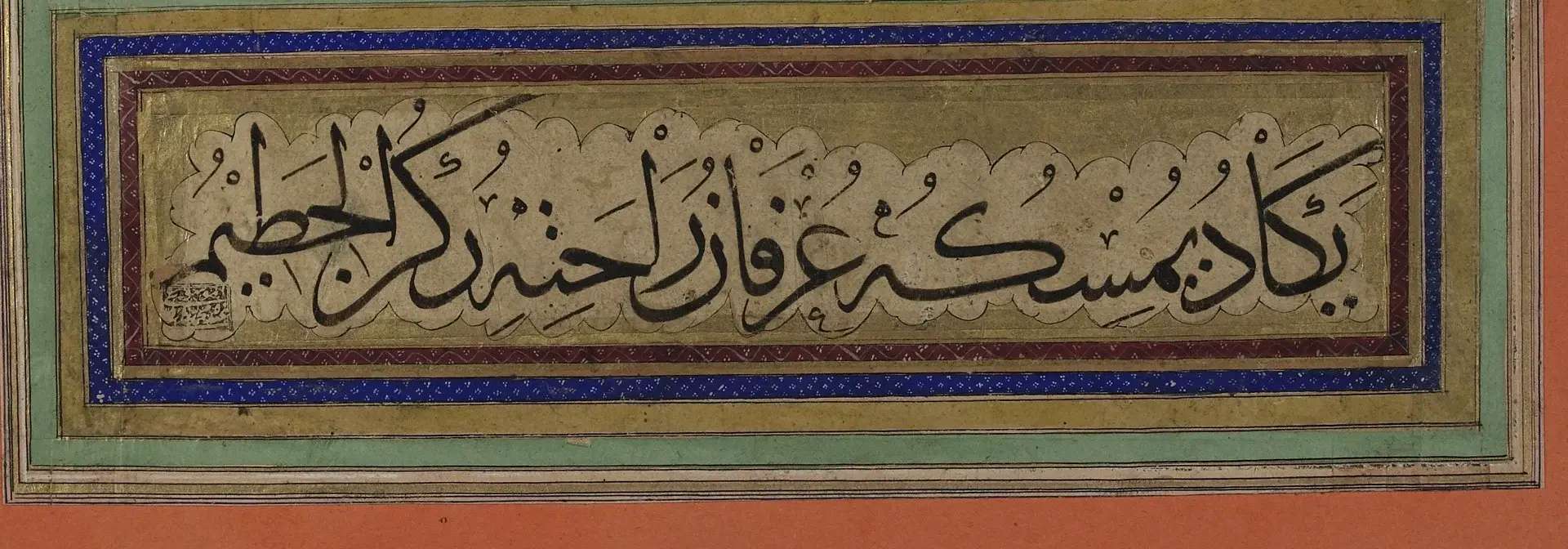
Image attribution: Library of Congress, African & Middle Eastern Division (ascs.229), file 'Arabic prayer - Thuluth script.jpg' via Wikimedia Commons. Public domain. Modified: cropped to 1920×672 for the article cover. / المصدر: مكتبة الكونغرس الأمريكية – قسم إفريقيا والشرق الأوسط (رقم ascs.229)، ملف «Arabic prayer - Thuluth script.jpg» عبر ويكيميديا كومنز. الحالة: ملكية عامة (Public Domain). عُدِّلت: قُصّت إلى 1920×672 لتناسب غلاف المقالة. · License: Public domain
1445هـ/2024م

Arabic Calligraphy

Arabic Calligraphy is the art of writing the Arabic letters, and in the Kingdom of Saudi Arabia it receives care that extends to serving the Qur'anic text and developing its digital tools. Foremost among the manifestations of that is the collection of computerised fonts produced by the King Fahd Complex for the Printing of the Holy Qur'an, alongside the International Competition for Writing the Holy Qur'an.

Read article
Image credits
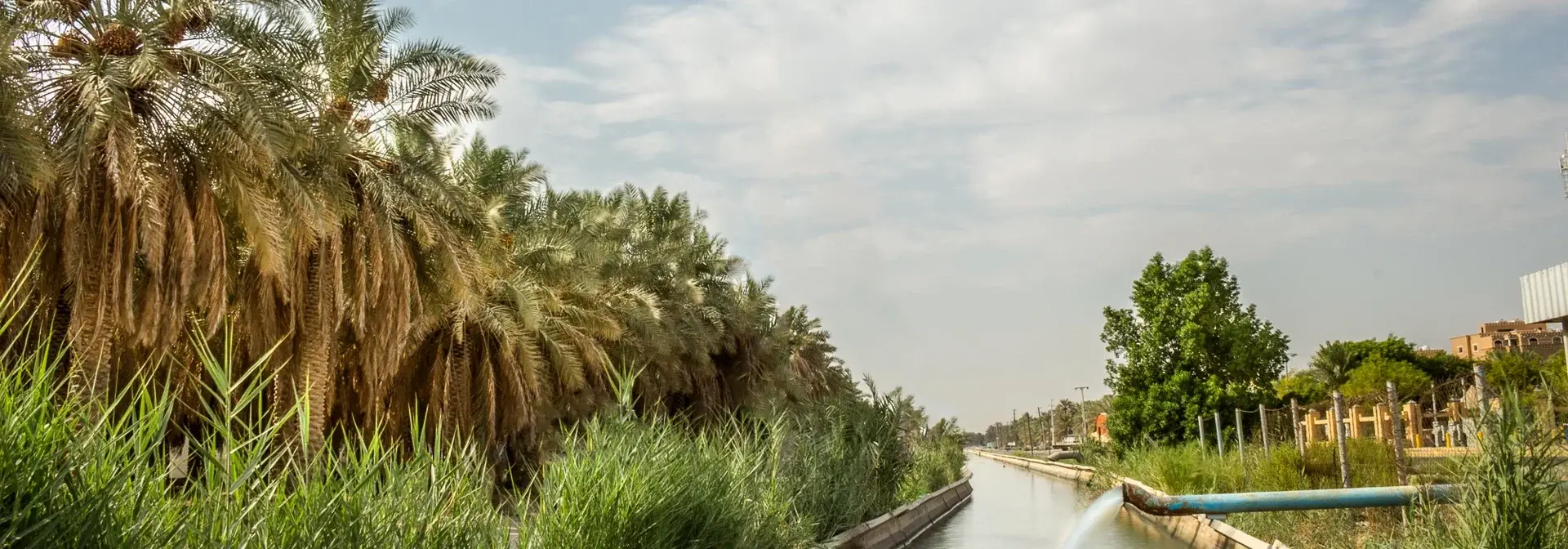
Image attribution: Ahmady4321 — "محطة اللتقاء ماء عين الجوهرية ببرنامج الري والصرف", CC BY-SA 4.0, via Wikimedia Commons; modified by cropping to a 1920x672 cover. / المصوّر Ahmady4321 — «محطة التقاء ماء عين الجوهرية ببرنامج الري والصرف»، رخصة CC BY-SA 4.0، عبر ويكيميديا كومنز؛ عُدِّلت بقصّها إلى غلاف 1920×672. · License: CC BY-SA 4.0
الألفية الخامسة قبل الميلاد – 1446هـ/2024م

Aflaj

Aflaj is a traditional irrigation system in the Kingdom of Saudi Arabia that conveys water from springs, wellsprings and channels to agricultural land, and one of its most prominent models is known locally as the buried channels (Al-Kharaz) in Aflaj Governorate in the Riyadh region. The Al-Ahsa Oasis offers a broad model of spring and channel networks that have developed through modern projects to convert them and raise their efficiency.

Read article
Image credits
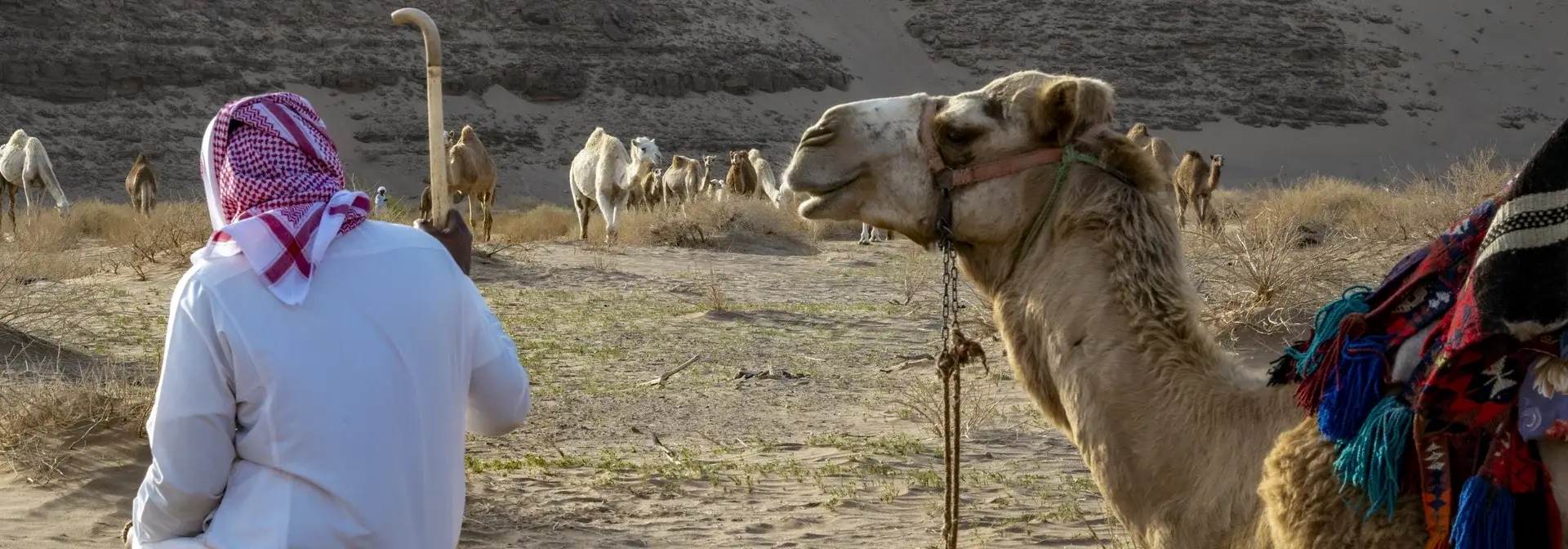
Image attribution: Rawan92 — "حداء الإبل", own work, CC BY-SA 4.0, via Wikimedia Commons; modified by cropping to a 1920x672 cover (no upscaling). / المصوّر Rawan92 — «حداء الإبل»، عمل شخصي، رخصة CC BY-SA 4.0، عبر ويكيميديا كومنز؛ عُدِّلت بقصّها إلى غلاف 1920×672 بلا تكبير. · License: CC BY-SA 4.0
العصر الجاهلي — 1447هـ/2025م

Al-Heda'a

Al-Heda'a is an art of light verse recited to delight camels and urge them onward through traditional oral expressions that enable herders to call their camels, gather them and communicate with them; it is known as camel Al-Heda'a and is passed down by the people of the Arabian Peninsula from generation to generation. The Kingdom of Saudi Arabia led the file for its inscription on the UNESCO Representative List of the Intangible Cultural Heritage of Humanity in cooperation with the Sultanate of Oman and the United Arab Emirates, and it was inscribed on 30 November 2022.

Read article
Image credits
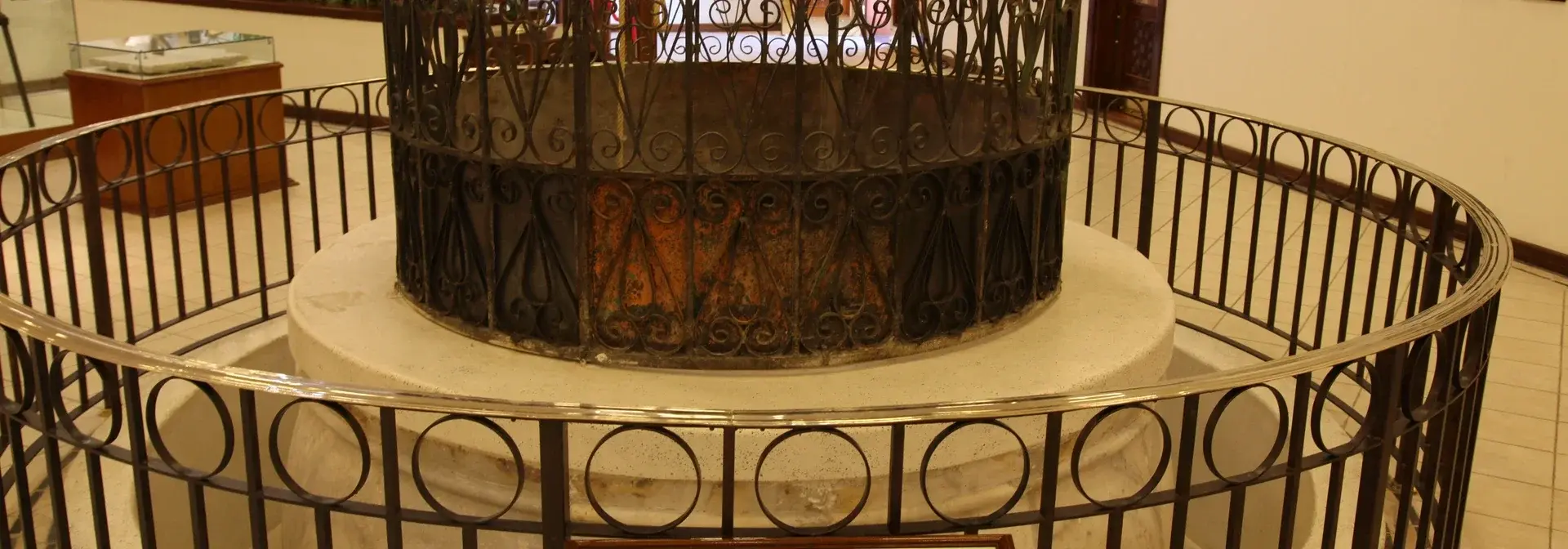
Image attribution: Mohammad Bahareth — CC BY-SA 2.0, via Wikimedia Commons; original file File:بئر زمزم الأثري.jpg. Modified: cropped horizontally to 1920×672 to fit the article cover. / محمد باهرمز (Mohammad Bahareth) — رخصة CC BY-SA 2.0، عبر ويكيميديا كومنز؛ الملف الأصلي File:بئر زمزم الأثري.jpg. عُدِّلت: قُصَّت أفقياً إلى 1920×672 لتناسب غلاف المقالة. · License: CC BY-SA 2.0
1345هـ — 1439هـ

Zamzam Well

Zamzam Well is a well in the Grand Mosque, located east of the Kaaba, 21 metres away in the Mataf courtyard, aligned with the Multazam, and reaches a depth of about 30.5 metres. The Kingdom of Saudi Arabia has cared for it and developed its water-supply system, from pumping, transport and storage to sterilisation and distribution to the guests of the Grand Mosque.

Read article
Image credits
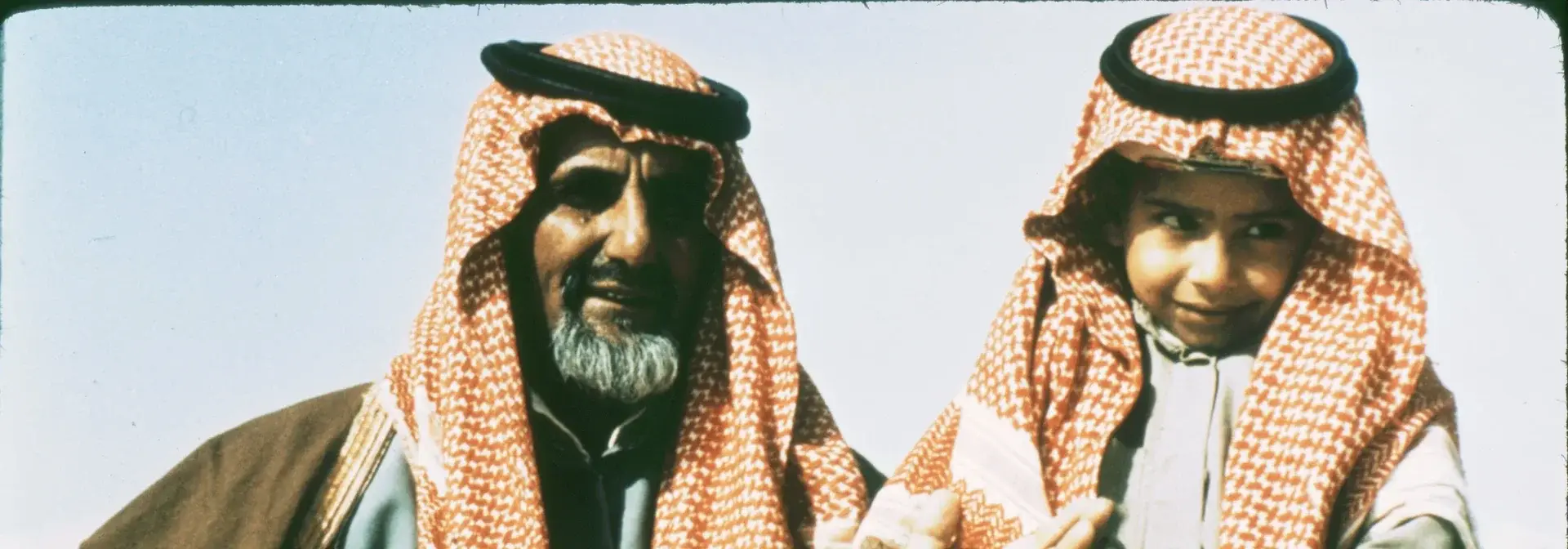
Image attribution: A Bedouin father and son in traditional dress — photo by Urbain J. Kinet, 1976-11-11, via Flickr Commons (Collection of the Department of Geography at UC Berkeley). No known copyright restrictions. Adapted to the 1920×672 article cover by a horizontal crop only (no retouching). / الأب البدوي وابنه بالزي التقليدي — تصوير: Urbain J. Kinet، 1976-11-11، عبر «Flickr Commons» (مجموعة قسم الجغرافيا بجامعة بيركلي). لا قيود حقوق معروفة. وُضعت كما هي بلا قصّ رأسي ولا تنقيح على مقاس غلاف المقالة 1920×672. · License: No known copyright restrictions / No restrictions (Flickr Commons)
2022–2025

Saudi Traditional Dress

Saudi traditional dress is a clothing heritage that expresses the identity of the Kingdom of Saudi Arabia and the diversity of its regions. Men's dress rests on the thobe, the agal, and the ghutra, women's dress ranges from the munaykhal and mushallal thobes to the darra'a and the kartah, and the King Abdulaziz Foundation for Research and Archives documents the dress of the Kingdom's regions in a specialised series of publications.

Read article