History

Articles in this section, each with its sources.

42 topics availableSearch all sections
Image credits
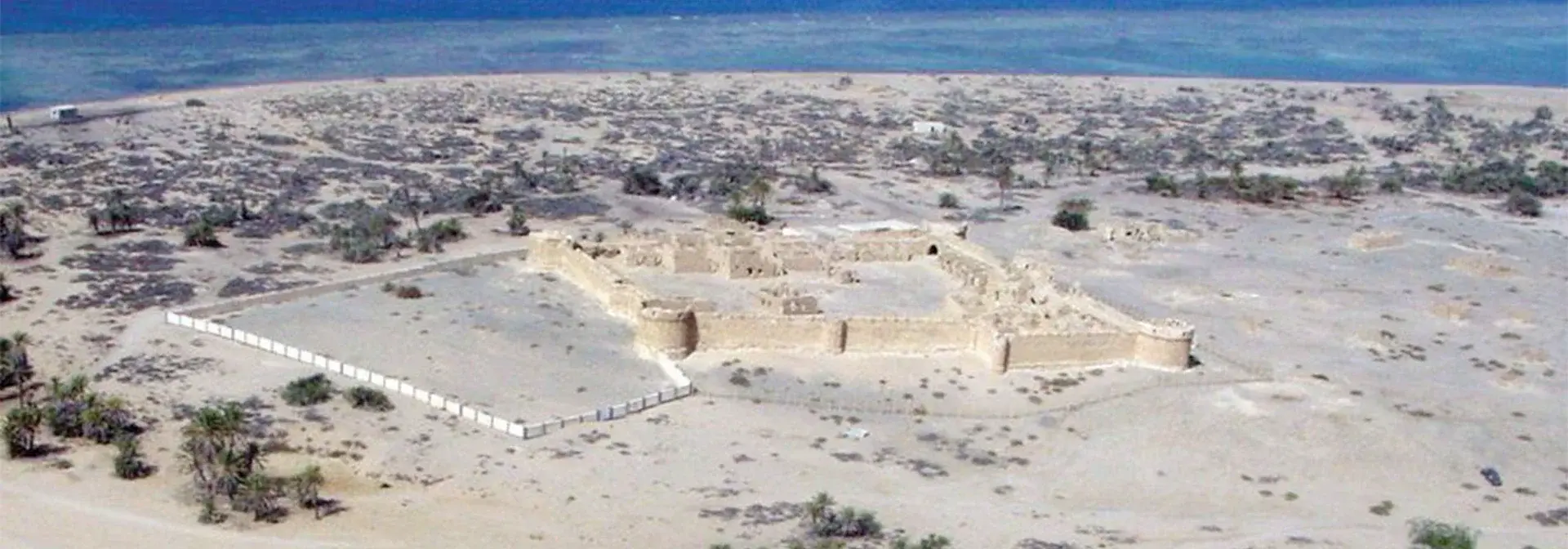
Image attribution: Al-Zuraib fort on the Egyptian Hajj route — Saudipedia (page ‘طريق الحج المصري’), copyright reserved to the Ministry of Media 2026. Modified: cropped from the original (2850×1815) to a 1920×672 webp cover. / قلعة الزريب على درب الحج المصري — سعوديبيديا (صفحة «طريق الحج المصري»)، حقوق النشر محفوظة لوزارة الإعلام 2026. التعديل: اقتُصّ شريط أفقي من الأصل (2850×1815) وحُوّل إلى غلاف webp بمقاس 1920×672. · License: حقوق النشر محفوظة لوزارة الإعلام 2026 (سعوديبيديا)
منذ بداية العصر الإسلامي حتى العهد الحديث

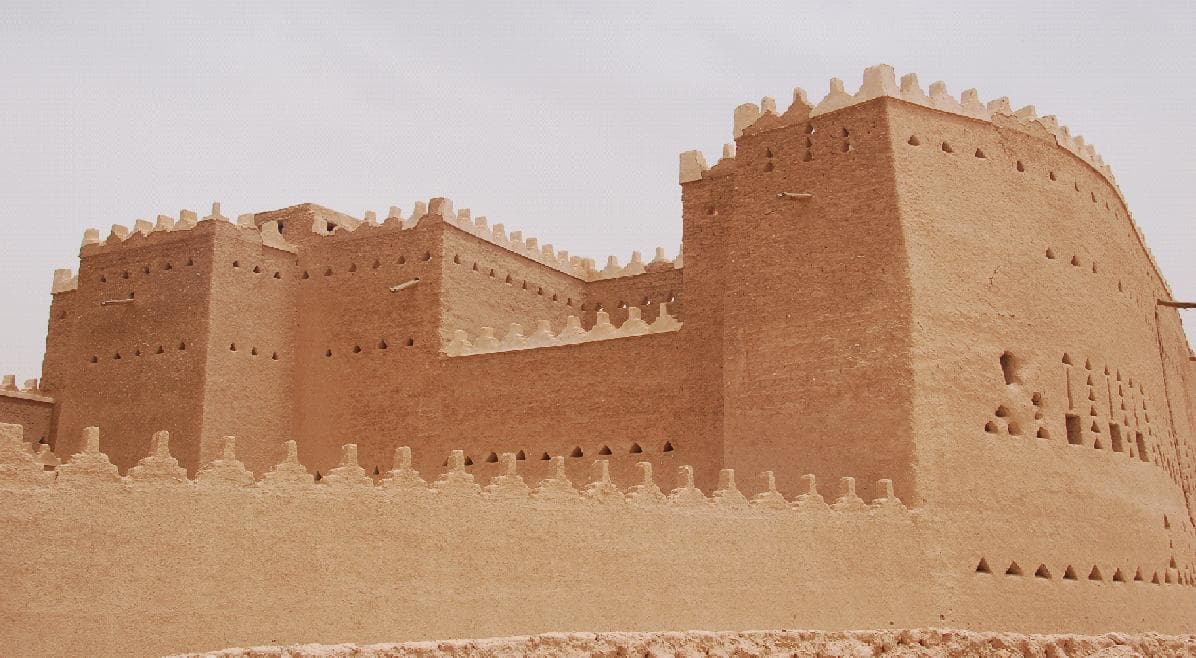
Egyptian Hajj Route

The Egyptian Hajj Route is one of the seven most important pilgrimage and trade routes that linked the Islamic world to the Arabian Peninsula, and was taken by pilgrims from Egypt, the Maghreb, Al-Andalus and West Africa from the beginning of the Islamic era. It combines a coastal land path across Sinai with stations as far as Makkah and a sea route through the port of Aydhab.

Read article
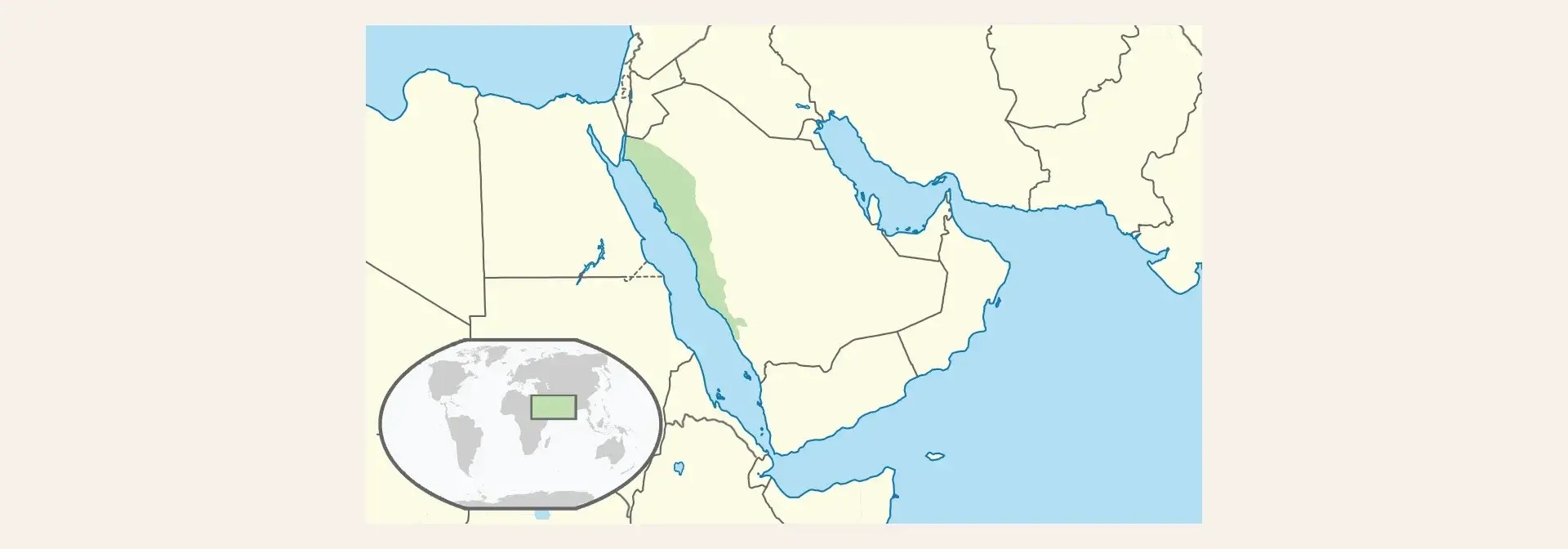

Image credits
Image attribution: Kingdom of Hejaz 1920 map — Underscore1234, CC BY-SA 4.0, via Wikimedia Commons (File:Kingdom of Hejaz 1920.png). https://commons.wikimedia.org/wiki/File:Kingdom_of_Hejaz_1920.png / خريطة «Kingdom of Hejaz 1920» — Underscore1234، رخصة CC BY-SA 4.0، عبر ويكيميديا كومنز (ملف: Kingdom of Hejaz 1920.png). المصدر المصغّر: https://commons.wikimedia.org/wiki/File:Kingdom_of_Hejaz_1920.png · License: CC BY-SA 4.0
1344هـ/1926م – 1351هـ/1932م

Kingdom of Hejaz

The Kingdom of Hejaz is an official name borne by the Saudi State at a stage of its formation after the annexation of the Hejaz, and it is associated with the successive titles of King Abdulaziz bin Abdulrahman bin Faisal Al Saud up to the naming of the Kingdom of Saudi Arabia in 1351 AH/1932.

Read article
Image credits
Image attribution: Flag of the Emirate of Ha'il.svg — Guilherme Paula (uploaded by NikNaks), CC BY-SA 3.0, via Wikimedia Commons. عُدِّلت: عُرضت كاملةً دون قصّ ولا تكبير على خلفية كريمية مموّهة بمقاس غلاف 1920×672. · License: CC BY-SA 3.0
1334–1340هـ

Emirate of Jabal Shammar

The Emirate of Jabal Shammar is an emirate that arose in the Hail region, and it came to govern the region after the Emirate of Al Ali that preceded it. In its last years it was linked to its position towards the Ottoman State during the First World War, and then its era ended with the annexation of Hail to the Saudi State in the reign of King Abdulaziz in 1340 AH.

Read article
Image credits
Image attribution: Richard Mortel — «Ancient site of Dadan at al-Ula, 1st millenium BCE, Saudi Arabia 11» — رخصة CC BY 2.0، عبر ويكيميديا كومنز (عُدِّلت: قُصّت إلى 1920×672 لتناسب غلاف المقالة، دون تكبير). · License: CC BY 2.0
من أواخر القرن التاسع قبل الميلاد

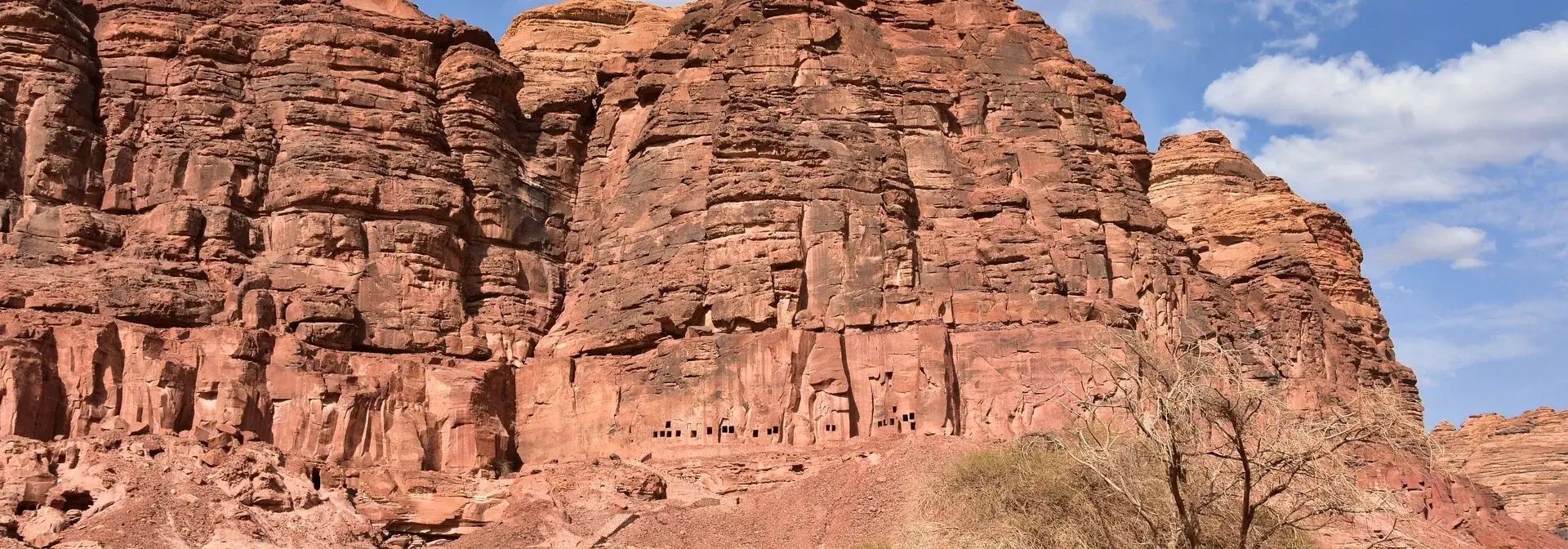
Kingdom of Dadan

The Kingdom of Dadan is an ancient Arabian kingdom in the northwest of the Arabian Peninsula; the city of Dadan was its historic capital and later the capital of the Kingdom of Lihyan, with its period extending from the late ninth century BCE. It is located in AlUla Governorate and contains tombs carved into red rock slopes and Dadanitic inscriptions on Jabal Ikmah.

Read article
Image credits
Image attribution: Photo: Maurice Bauche (1878–1956) — ECPAD archives; Public domain, via Wikimedia Commons (file 030Arab.jpg); adapted to a 1920x672 cover, content unaltered. / تصوير: موريس بوش (Maurice Bauche، 1878–1956) — أرشيف مؤسسة ECPAD الفرنسية؛ رخصة: ملكية عامة (Public domain)، عبر ويكيميديا كومنز (ملف 030Arab.jpg)؛ عُدِّلت الصورة إلى غلاف بمقاس 1920×672 دون أي تغيير في مضمونها. · License: Public domain
1915–1927م

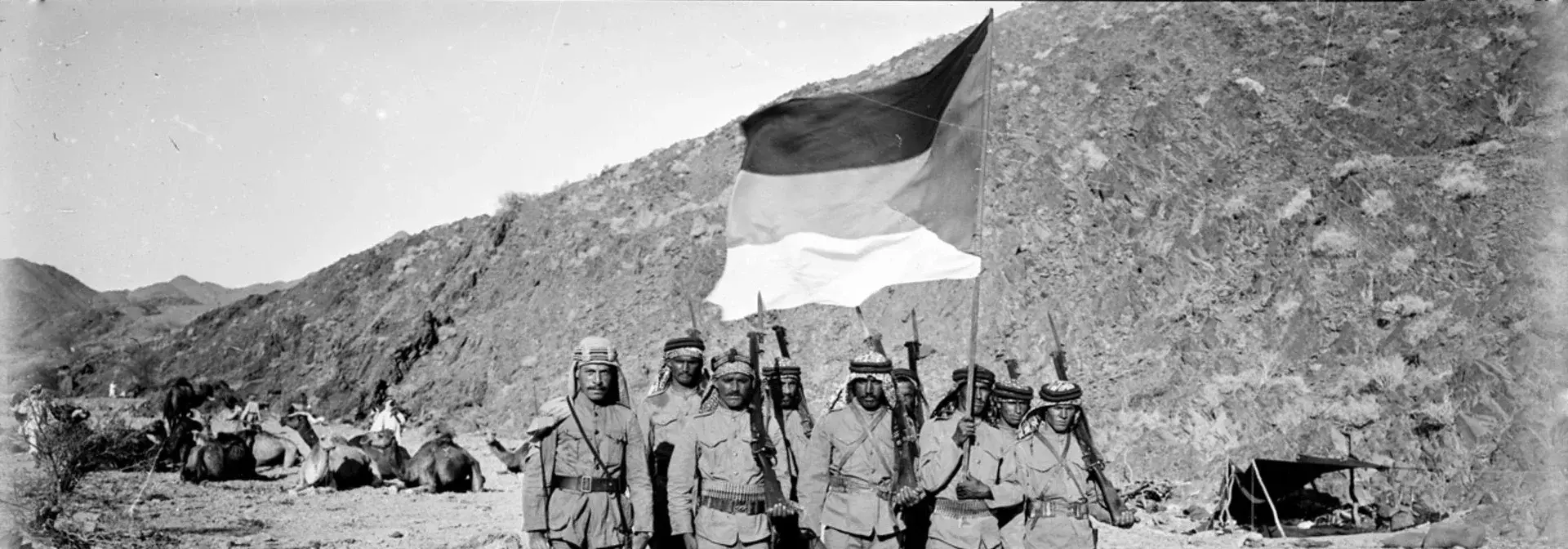
Arab Revolt

The Arab Revolt was a movement that began in the Hejaz during World War I, and with it the Turkish era in the Hejaz ended in 1916 and the Hashemite era began, lasting until King Abdulaziz entered the Hejaz in 1924. The article covers its context in the Arabian Peninsula and the Red Sea, the destruction by its men of part of the Hejaz Railway line, the efforts of the Saudi state to revive the line, and the ending of foreign privileges and international recognition of the Saudi state.

Read article
Image credits
Image attribution: Map “Alahsa map me”, derived from the Saudi Arabia map by NormanEinstein (February 2006), CC BY-SA 3.0, via Wikimedia Commons (https://commons.wikimedia.org/wiki/File:Alahsa_map_me.png). Modified by placing it complete, uncropped, on a blurred cream (#f4efe5) 1920×672 canvas to fit the article cover; share-alike applies. / خريطة «Alahsa map me» — مشتقّة من خريطة السعودية للمصوّر NormanEinstein (شباط/فبراير 2006)، رخصة CC BY-SA 3.0، عبر ويكيميديا كومنز (https://commons.wikimedia.org/wiki/File:Alahsa_map_me.png). عُدِّلت بوضعها كاملةً دون قص على خلفية مموّهة باللون الكريمي #f4efe5 بمقاس 1920×672 لتناسب غلاف المقالة (المشاركة بالمثل شرط الرخصة). · License: CC BY-SA 3.0
1331هـ/1913م

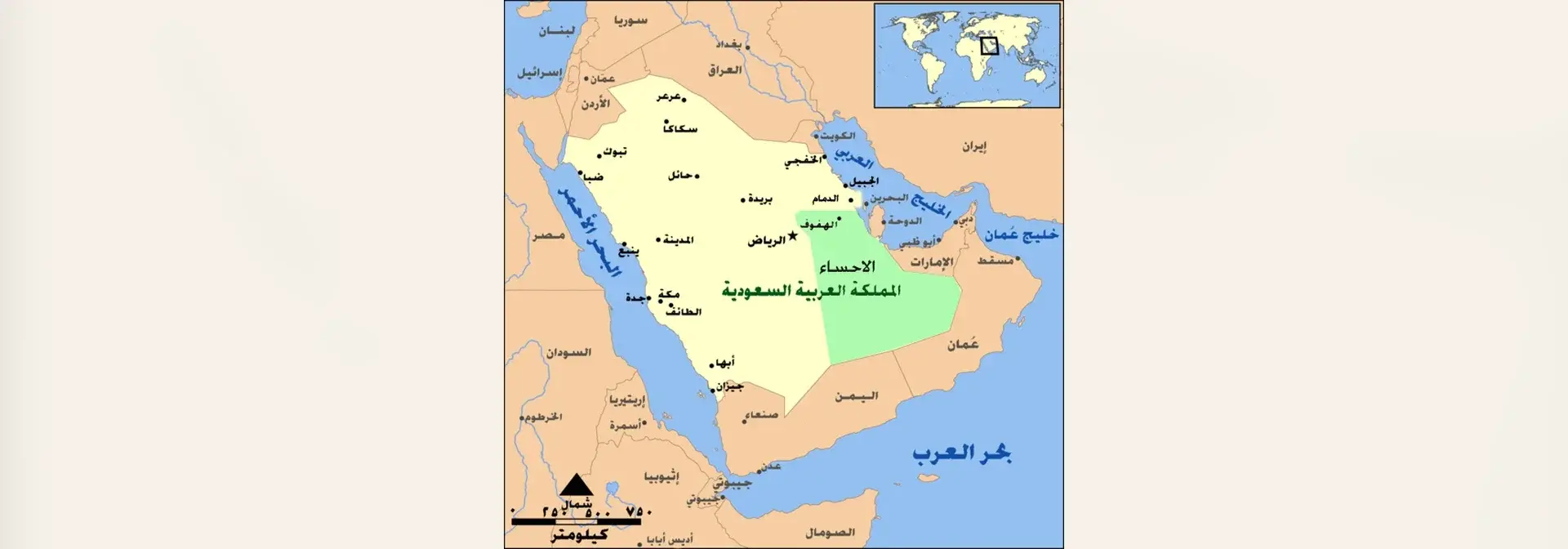
Conquest of Al-Ahsa

The Conquest of Al-Ahsa was a campaign led by the founding King Abdulaziz bin Abdulrahman Al Saud in 1331 AH/1913 CE, through which he entered Al-Ahsa and received the pledge of allegiance of its people at the Bay'ah House, after which the event rested on Ibrahim Palace and Al-Uqair Port.

Read article
Image credits
Image attribution: Map "Ibrahim Pasha's Campaign against the Saudis in Nejd (1817-18)" — original by User:Slackerlawstudent (own work), Arabic derivative by User:Moataz1997 (Moataz Egbaria), Public domain (PD-self), via Wikimedia Commons. Modified by placing it complete, without cropping or enlargement, on a blurred cream 1920×672 canvas to fit the article cover. / خريطة «حملة إبراهيم باشا ضد السعوديين في نجد (1817–1818)» — الأصل للمستخدم Slackerlawstudent (عمل شخصي)، والتعريب للمستخدم Moataz1997 (Moataz Egbaria)، رخصة الملكية العامة (Public domain / PD-self)، عبر ويكيميديا كومنز. عُدِّلت بوضعها كاملة دون قص ولا تكبير على خلفية كريمية مموّهة 1920×672 لتلائم غلاف المقالة. · License: Public domain (PD-self)
1220–1240هـ

Egyptian Campaign on Diriyah

The Egyptian Campaign on Diriyah was a military campaign directed at the First Saudi State, launched by a commission from the Ottoman Sultan to Muhammad Ali, who assumed the rule of Egypt in 1220 AH; its forces reached Diriyah in 1233 AH/1818 CE after wars that lasted nearly seven years.

Read article
القرن السادس قبل الميلاد – القرن الثاني قبل الميلاد

Kingdom of Lihyan

The Kingdom of Lihyan is an ancient Arab kingdom that flourished in the northwest of the Arabian Peninsula, specifically in the AlUla region, and it followed the Kingdom of Dadan in ruling the area. Its influence extended from the sixth century to the second century BC. Its inscriptions documented its religious thought, its offerings, its civilisational standing and its school of sculpture, and among the most prominent sites connected with it are the Umm Daraj site and the Al-Khuraybah site.

Read article
Image credits
Image attribution: Umm Al-Qura newspaper — "News of the signing of the Treaty of Taif between Saudi Arabia and Yemen". Source: Umm Al-Qura archive, King Abdulaziz Foundation (Darah), darahsys.com/umqura. License: Public domain (PD-Saudi Arabia), via Wikimedia Commons — File:خبر توقيع معاهدة الطائف بين السعودية واليمن.jpg. / صحيفة أم القرى — «خبر توقيع معاهدة الطائف بين السعودية واليمن»، المصدر: أرشيف أم القرى بدارة الملك عبدالعزيز (darahsys.com/umqura)، الرخصة: ملكية عامة (PD-Saudi Arabia) عبر ويكيميديا كومنز — File:خبر توقيع معاهدة الطائف بين السعودية واليمن.jpg. · License: Public domain (PD-Saudi Arabia)
1353–1429هـ

Treaty of Taif

The Treaty of Taif is a treaty concluded in 1353 AH between the Kingdom of Saudi Arabia and Yemen, and it formed the foundation on which the Saudi-Yemeni border demarcation was based, and was relied upon in the work of the joint Saudi-Yemeni committees until the completion of the land border demarcation between the two countries.

Read article