Nature

Articles in this section, each with its sources.

41 topics availableSearch all sections
Image credits
Image attribution: Space Shuttle image of the northern part of the Harrat Rahat lava field — Source: Wikimedia Commons, file 'Harrat Rahat.jpg': https://commons.wikimedia.org/wiki/File:Harrat_Rahat.jpg — direct: https://upload.wikimedia.org/wikipedia/commons/9/92/Harrat_Rahat.jpg — Author: NASA Space Shuttle image (Johnson Space Center, http://eol.jsc.nasa.gov/) — Licence: Public domain. Modified: the original (2984x1972) was cropped to a centred 1920x672 horizontal band to fit the article cover; no text, logo or element added. / صورة فضائية لحقل حمم حرة رهط (الجزء الشمالي) من مكوك الفضاء — المصدر: ويكيميديا كومنز، الملف «Harrat Rahat.jpg»: https://commons.wikimedia.org/wiki/File:Harrat_Rahat.jpg — الرابط المباشر: https://upload.wikimedia.org/wikipedia/commons/9/92/Harrat_Rahat.jpg — المؤلف: NASA Space Shuttle image (Johnson Space Center، http://eol.jsc.nasa.gov/) — الرخصة: ملكية عامة (Public domain). التعديل: قُصّت الصورة الأصلية (2984×1972) إلى شريط أفقي 1920×672 من وسطها لتناسب غلاف المقالة، دون إضافة أي نص أو شعار أو عنصر. · License: Public domain (NASA Space Shuttle image)
من ملايين السنين حتى 654هـ

Harrat Rahat

Harrat Rahat is a vast volcanic field in the Kingdom of Saudi Arabia whose lava flows extend from the north of Makkah to Madinah, and it contains lavas formed over widely separated periods, running from millions of years ago to the last volcanic eruption in 654 AH. Its recent volcanic activity is concentrated in its northern part, along the southern and eastern edges of Madinah.

Read article
Image credits
Image attribution: Prince Mohammed bin Salman Royal Reserve Development Authority (pmbsrr.gov.sa) — the official panoramic image "PMBSRR Volcanic Mountains" of the Reserve's volcanic mountains, photographed by Ibrahim Sarhan; modified by cropping to 1920×672 to fit the article cover, without upscaling. Source: https://pmbsrr.gov.sa/ / هيئة تطوير محمية الأمير محمد بن سلمان الملكية (pmbsrr.gov.sa) — الصورة البانورامية الرسمية «PMBSRR Volcanic Mountains» للجبال البركانية في المحمية، بعدسة إبراهيم سرحان؛ عُدِّلت بقصّها إلى 1920×672 لتناسب غلاف المقالة بلا تكبير. المصدر: https://pmbsrr.gov.sa/ · License: © جميع الحقوق محفوظة — هيئة تطوير محمية الأمير محمد بن سلمان الملكية (pmbsrr.gov.sa)
2021–2026

Prince Mohammed bin Salman Royal Reserve

Prince Mohammed bin Salman Royal Reserve is a royal reserve in the northwest of the Kingdom of Saudi Arabia. It extends over an area of 24,500 square kilometers and encompasses 15 ecosystems, containing more than 50% of the Kingdom's wildlife species. Established by royal decree and overseen by the Council of Royal Reserves chaired by His Royal Highness the Crown Prince and Prime Minister, it combines wildlife reintroduction, ecological tourism and biodiversity conservation.

Read article
Image credits
Image attribution: NASA — Expedition 16 crew member, International Space Station. Public domain, via Wikimedia Commons. Cropped and resized to 1920×672 for use as an article cover. / NASA — طاقم البعثة 16 في محطة الفضاء الدولية (ISS Expedition 16)، صورة بالمِلك العام (Public domain) عبر ويكيميديا كومنز؛ عُدِّلت بالقصّ والتصغير إلى 1920×672 لتناسب غلاف المقالة. · License: Public domain (NASA)
نحو 25 مليون سنة – 2026م

Khaybar Lava Field

Khaybar Lava Field is a volcanic field in the Madinah Region of the Kingdom of Saudi Arabia and the largest harrat in the Kingdom by area, estimated at about 21,500 square kilometers. It contains Jabal Al-Qidr, listed among the world's top 100 geological sites, three rare volcanoes, and lava tubes among the longest in the Arab world.

Read article
Image credits
Image attribution: Saudi Press Agency (SPA) — Uruq Bani Ma'arid Reserve, Saudi Arabia, 2025. CC BY-SA 4.0, via Wikimedia Commons. Modified: cropped to 1920×672, no upscaling. / وكالة الأنباء السعودية (واس) — محمية عروق بني معارض، المملكة العربية السعودية، 2025. الرخصة CC BY-SA 4.0، عبر ويكيميديا كومنز. عُدِّلت: قصّ إلى 1920×672 دون تكبير أو تعديل آخر. · License: CC BY-SA 4.0
1417هـ–2025م

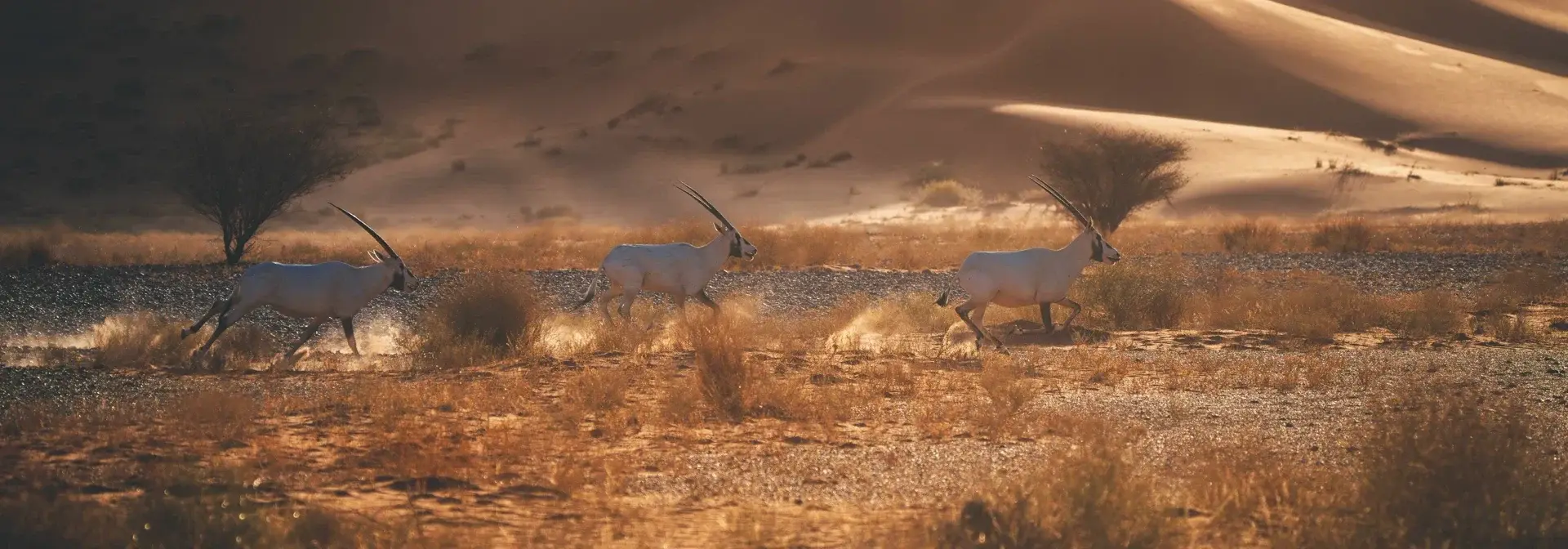
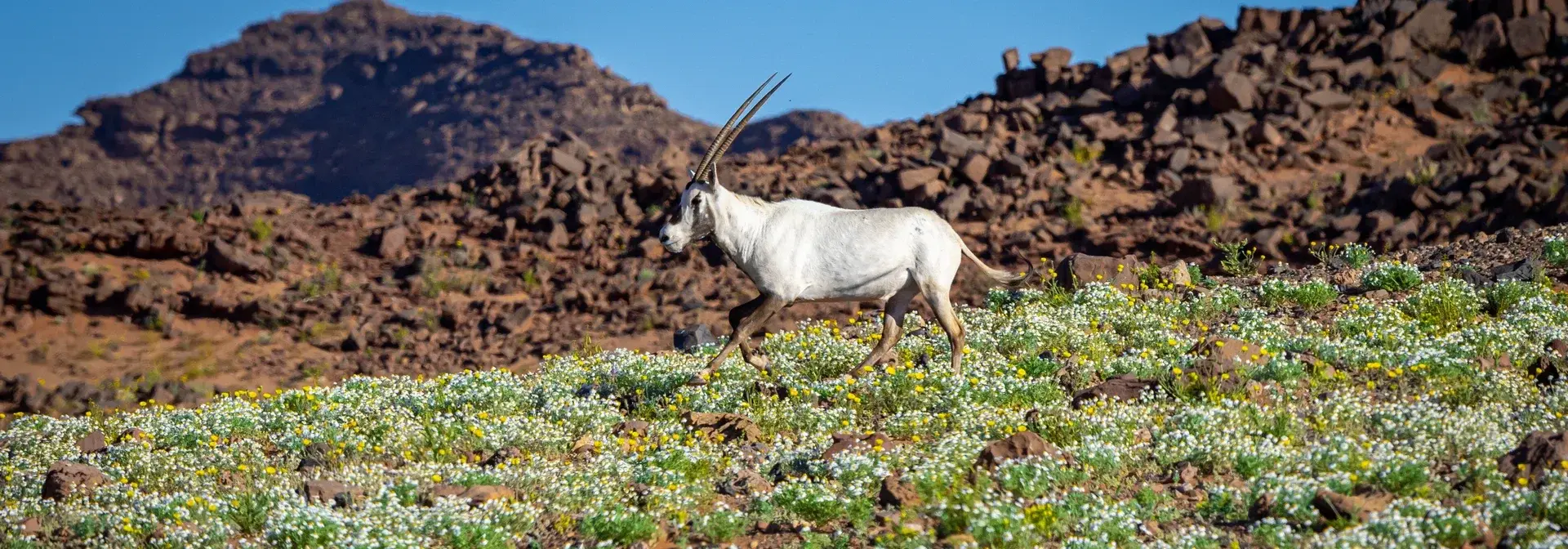
Arabian Oryx

The Arabian Oryx, also known as the wadhi oryx, is a species of wild mammal and the largest wild mammal in the Arabian Peninsula. It was absent from its natural habitat in northern Saudi Arabia for about ninety years, then was resettled in protected reserves and released in Uruq Bani Ma'arid Reserve and King Salman bin Abdulaziz Royal Reserve.

Read article
Image credits
Image attribution: Source: Saudipedia (the official Saudi encyclopedia, Ministry of Media) — page image of "الأودية والعيون في الديسة", captioned "صورة من الأعلى لوادي الديسة في منطقة تبوك" (aerial photo of Wadi al-Disah, Tabuk region); modified by cropping to a 1920x672 cover. / المصدر: سعوديبيديا (الموسوعة السعودية الرسمية، وزارة الإعلام) — صورة صفحة «الأودية والعيون في الديسة»، تعليقها على المصدر: «صورة من الأعلى لوادي الديسة في منطقة تبوك»؛ عُدِّلت بقصّها إلى غلاف 1920×672. · License: © سعوديبيديا — وزارة الإعلام السعودية (جميع الحقوق محفوظة)
623هـ – 2022م

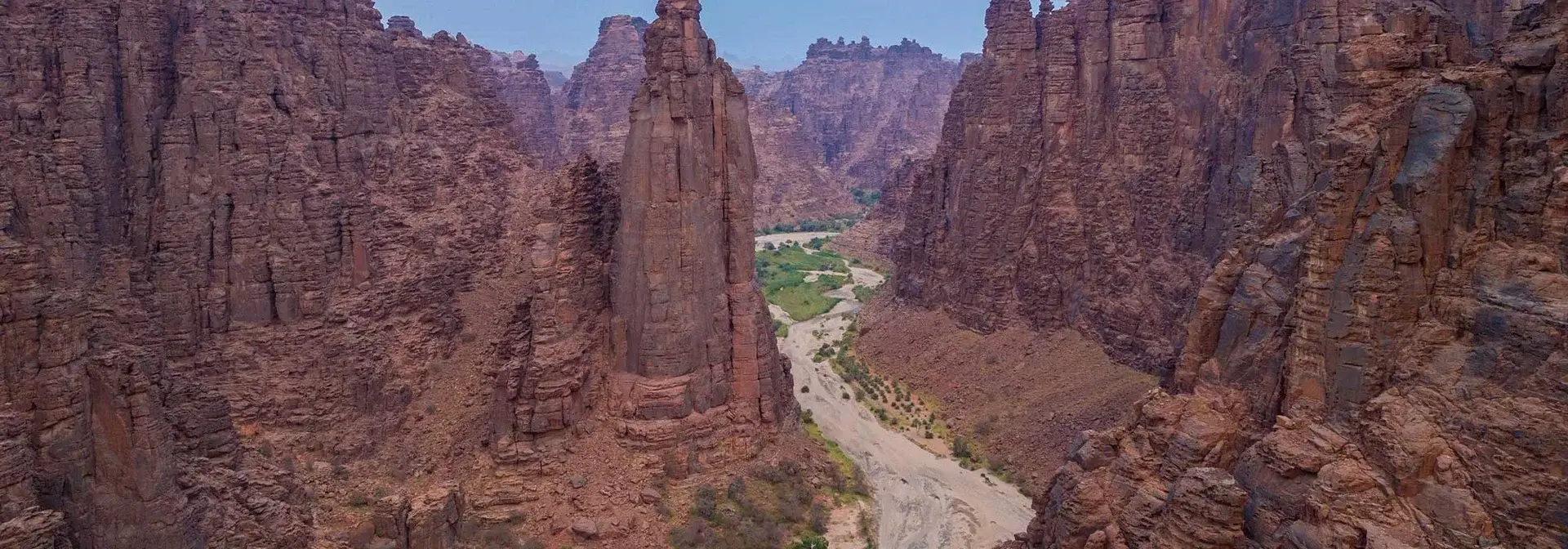
Wadi Disah

Wadi Disah is a valley in the north-west of the Prince Mohammed bin Salman Royal Reserve and the south-west of the Tabuk region, about 200 km south-west of the city of Tabuk. It holds freshwater springs, towering rock pillars and Nabataean tombs carved into the rock, and its farms produce mango and nabq; it lies within a development project announced by the Public Investment Fund.

Read article
Image credits
Image attribution: Osama Al-Kashef (أسامة الكاشف) — via saudipics.com, CC BY-SA 4.0, from Wikimedia Commons (cropped to 1920×672 for the article cover) / أسامة الكاشف — عبر saudipics.com، رخصة CC BY-SA 4.0، من ويكيميديا كومنز (مقطع إلى 1920×672 لغلاف المقالة) · License: CC BY-SA 4.0
1422هـ – 2026م

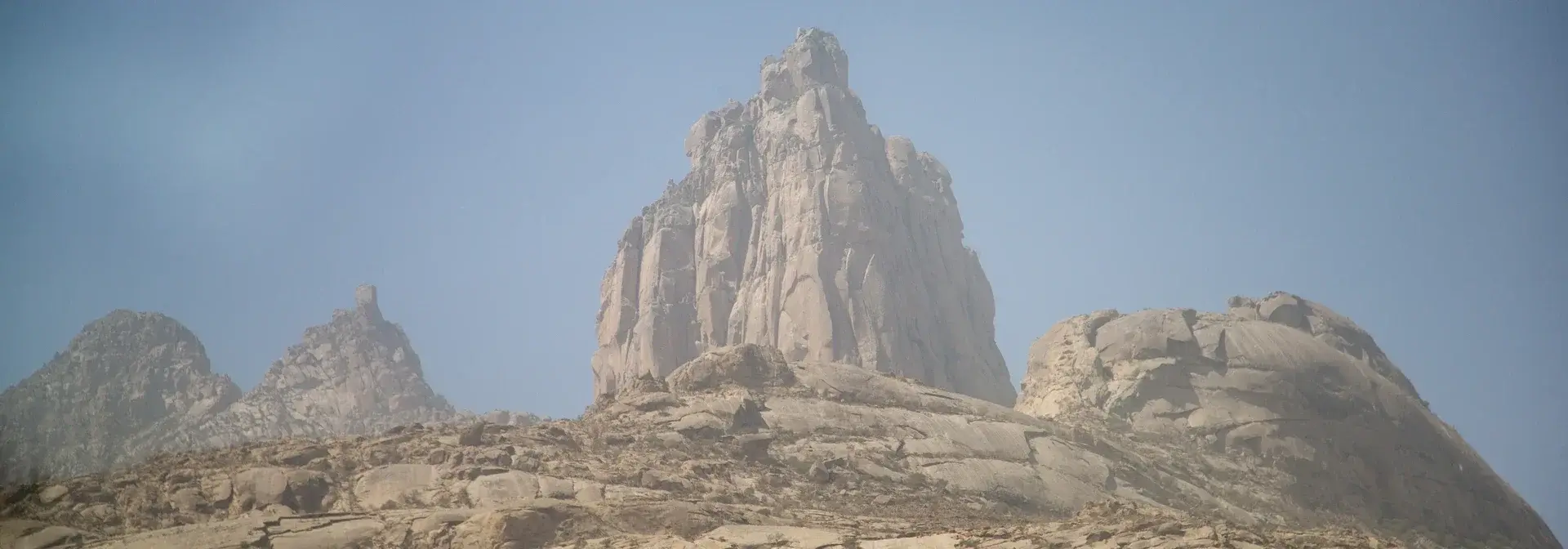
Jabal Shada Al-A'la

Jabal Shada Al-A'la is a rocky mountain in the northwestern part of Al-Makhwah Governorate in Al-Bahah Region, rising 2,200 meters above sea level and standing as the highest mountain in the Tihama plain. A nature reserve bearing its name stands on it, holding one of the Kingdom's highest levels of plant diversity, with more than 500 plant species recorded there, alongside inscriptions, archaeological sites and old villages.

Read article
Image credits
Image attribution: Saudi Press Agency (SPA) — Wikimedia Commons file "Arabian Leopard (2023).jpg", CC BY-SA 4.0, via the Saudi Photos platform cc.spa.gov.sa; cropped to 1920×672 without upscaling. / وكالة الأنباء السعودية (واس) — ملف ويكيميديا كومنز «Arabian Leopard (2023).jpg»، رخصة CC BY-SA 4.0، عبر منصة الصور السعودية cc.spa.gov.sa؛ قُصّ إلى 1920×672 بلا تكبير. · License: CC BY-SA 4.0
1416هـ–2026م

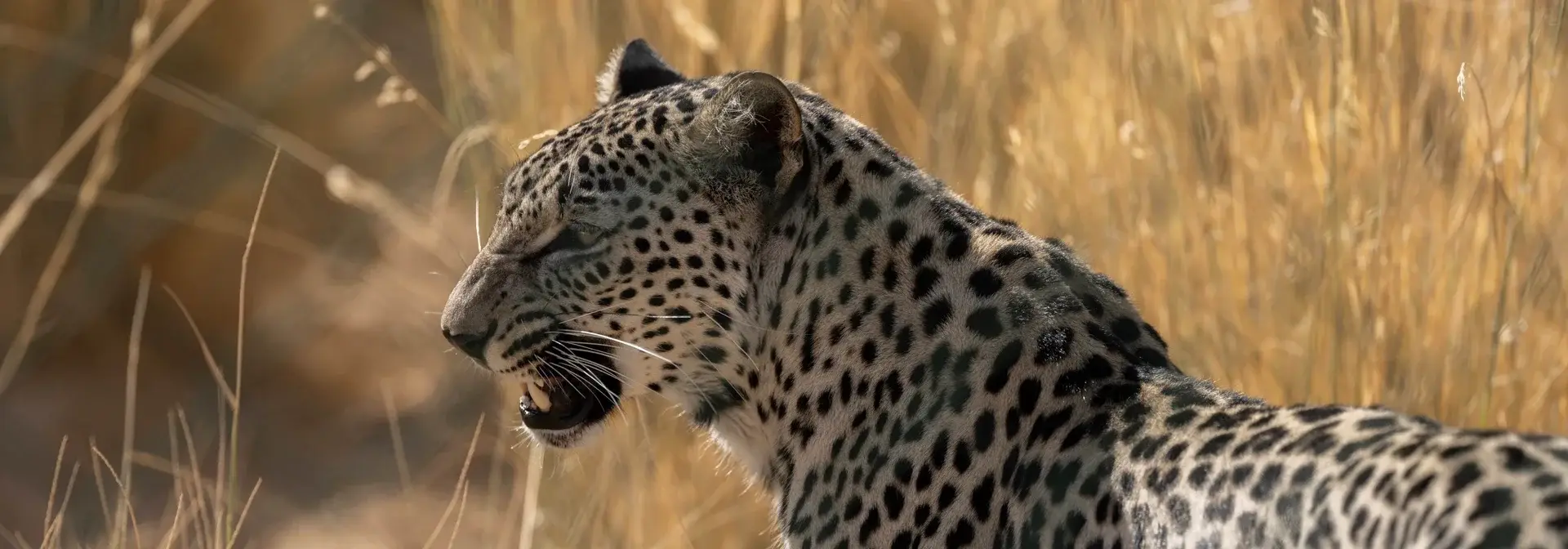
Arabian Leopard

The Arabian Leopard is a subspecies of the endangered leopard, known scientifically as Panthera pardus nimr, and is one of the smallest and rarest leopard subspecies. The International Union for Conservation of Nature has classified it as Critically Endangered since 1996, and efforts to conserve it in the Kingdom of Saudi Arabia are tied to the Sharaan Nature Reserve and the Arabian Leopard Breeding and Conservation Centre in AlUla.

Read article
Image credits
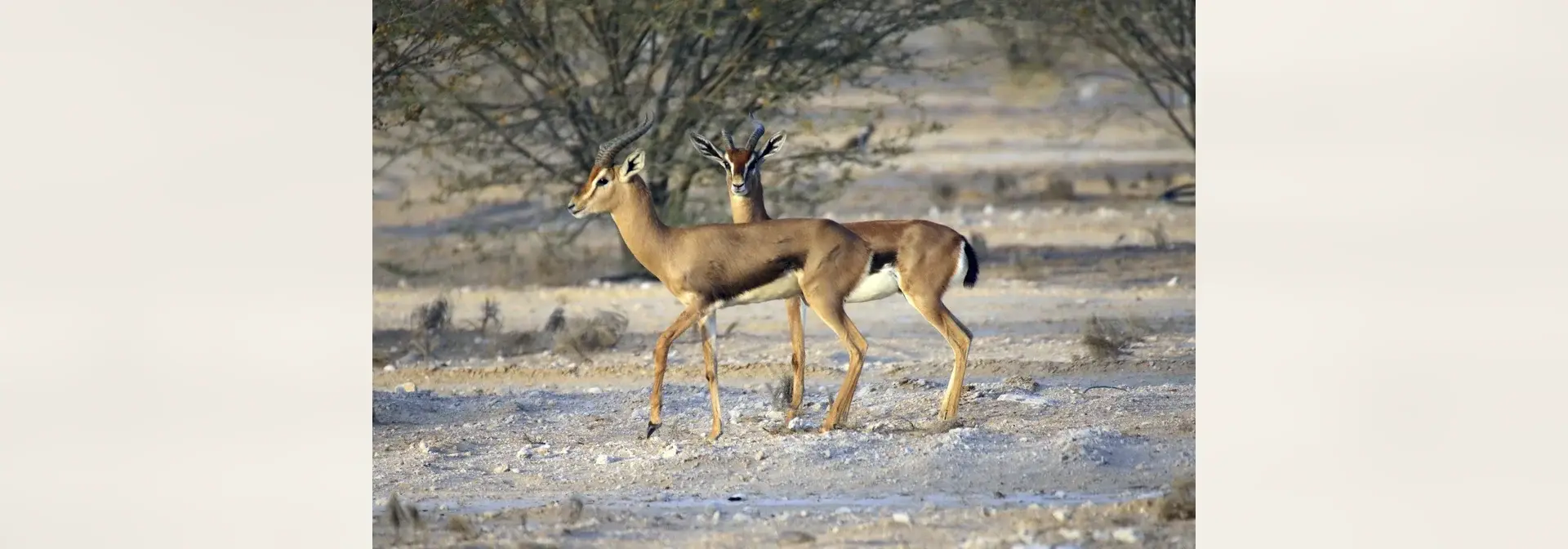
Image attribution: Photo by Ubm007, file "Arabian Gazelle", licensed CC BY-SA 4.0, via Wikimedia Commons — the photograph is reproduced in full, uncropped and not upscaled, on a blurred cream background at 1920×672 / المصوّر Ubm007، ملف «Arabian Gazelle»، رخصة CC BY-SA 4.0، عبر ويكيميديا كومنز — نُشرت الصورة كاملة دون قص ولا تكبير على خلفية كريمية مموّهة بمقاس 1920×672 · License: CC BY-SA 4.0
Reserves and biodiversity

Arabian Gazelle

The Arabian Gazelle is among the wildlife species that receive sustained protection in the Kingdom of Saudi Arabia through extensive nature reserves, breeding programmes and reintroduction into natural habitats. Imam Turki bin Abdullah Royal Reserve recorded three newborn Arabian Gazelles in the At-Taysiyah area during the second quarter of 2026.

Read article
Image credits
Image attribution: Source: "Arabian oryx amid the vegetation in King Salman Bin Abdulaziz Royal Natural Reserve in Tabuk Province, 2023" — Saudi Press Agency (SPA) — CC BY-SA 4.0 — via Wikimedia Commons. Modified: cropped horizontally to 1920×672, no other changes. / المصدر: «المها العربي وسط الغطاء النباتي في محمية الملك سلمان الملكية بمنطقة تبوك (2023)» — وكالة الأنباء السعودية (واس/SPA) — رخصة CC BY-SA 4.0 — عبر ويكيميديا كومنز. عُدّلت الصورة باقتصاص أفقي إلى 1920×672 دون أي تعديل على مضمونها. · License: CC BY-SA 4.0
Reserves and biodiversity

Wildlife of Saudi Arabia

Wildlife in Saudi Arabia is a system of desert, sandy, valley, and plateau environments that shelter hundreds of species of mammals, birds, reptiles, and wild plants.[1][2] Nature reserves work to protect and develop it and to reintroduce endangered species into their habitats.[1][3]

Read article