
Origins and history
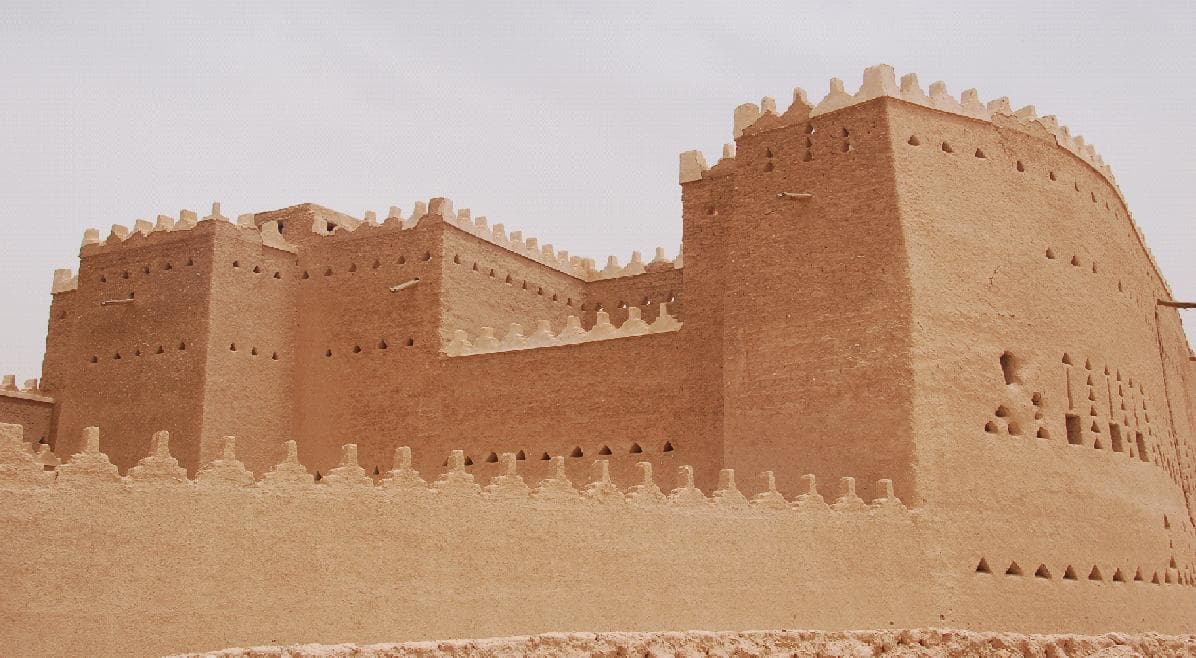
Souq Okaz is an archaeological site in Taif, Makkah Region. It began around 501 CE, about a century before Islam, as a meeting place for trade, ideas and literature among the Arab tribes. [1]
It remained a trading centre in the Islamic era and a station on the pilgrimage road from Yemen until the sixth century AH, despite being sacked by the Haruri Kharijites in 129 AH/747 CE. [1]
Related people
- PersonAbdulmajeed AbdullahAbdulmajeed Abdullah is a Saudi artist who performed national operettas at the National Festival for Heritage and Culture and at National Day celebrations, performed a tableau before the Custodian of the Two Holy Mosques at the celebration of the people of the Tabuk Region, and attended cultural events including Souq Okaz and the “Lahn Al-Mamlakah” festival. His documented participation extends from 1426 AH/2005 CE to 1445 AH/2023 CE, most notably his receipt of the “Honorary Entertainment Makers Award”.
- PersonGhazi Al-GosaibiGhazi bin Abdulrahman Al-Gosaibi is a Saudi minister, writer and poet who served as Minister of Labour and held the title of former Ambassador of the Custodian of the Two Holy Mosques to the United Kingdom; the New Labour Law came into force during his tenure at the ministry, and his legacy continues in poetry collections, books, a university chair, an award and a cultural house bearing his name.
Season and poetry
The market opened on the first of Dhu al-Qadah and ran until the twentieth, after which people moved on to the markets of Majannah and Dhu al-Majaz before the Hajj. Goods came from Hajar, Iraq, Syria, Persia and Yemen. [1]
Its name comes from mu'akazah, the contest of poets reciting boasts, and alliances, truces and protections were announced there because so many Arabs gathered. [1]
Remains
The Red Saraya plateau carries rock drawings and commemorative Islamic inscriptions in undotted Kufic from the early Islamic centuries, and Wadi Luwan east of the market has two further rock-art sites. [1]
Related topics
- HistoricShubra Palace MuseumShubra Palace Museum is a Saudi museum in the historic Shubra Palace in the city of Taif, in the Makkah Region, and is a prominent historic landmark distinguished by the elegance of its design and the grandeur of its traditional architecture. The palace was built in 1905, consists of four floors containing about 150 rooms, and was converted into a museum in 1408 AH/1986.
- HistoricAl-DahhaAl-Dahha is a performing art and folk heritage particular to the northern regions of Saudi Arabia, performed collectively in one or two facing rows in which the poet Al-Badda' sings, and closed with the dance of Al-Hashi. Al-Dahha features prominently in national festivals, social occasions and weddings.
- RegionTaif CityTaif City is a Saudi city in the west of the Kingdom, known as the “City of Roses and Bride of Saudi Summer Resorts” for its moderate summer climate and its natural views in Al-Shafa and Al-Hada. It contains more than 700 rose farms, farms of seasonal fruits, and cultural and historical landmarks including Souq Okaz and Shubra Palace.
- HistoricArabic CalligraphyArabic Calligraphy is the art of writing the Arabic letters, and in the Kingdom of Saudi Arabia it receives care that extends to serving the Qur'anic text and developing its digital tools. Foremost among the manifestations of that is the collection of computerised fonts produced by the King Fahd Complex for the Printing of the Holy Qur'an, alongside the International Competition for Writing the Holy Qur'an.
- HistoricTaif SeasonTaif Season is a tourism and entertainment event held in Taif city under the name “the Summer Resort of the Arabs”, whose first edition launched on 29 Dhu al-Qi'dah 1440 AH, corresponding to 1 August 2019, within the Saudi Seasons 2019 initiative. It is concerned with presenting Taif as a destination for summer resorts, heritage and cultural activities and the Taif rose.