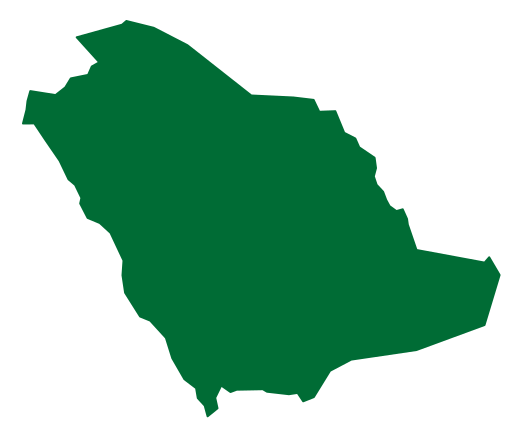

The province extends beyond Dammam
Dammam is the Eastern Province's administrative seat, with neighbouring Khobar and Dhahran forming part of a connected urban area. The wider territory includes Al Ahsa, Qatif, Jubail, Hafar Al Batin and other governorates and cities. Eastern Province therefore describes a large administrative region rather than another name for Dammam, and its Gulf cities represent only part of its inland and coastal environments. [1][2]
The Gulf, oases and desert
Coastal environments, oases and extensive deserts reaching towards the Empty Quarter coexist in the province. Well-known places include the Al Ahsa and Qatif oases and Tarout Island. They illustrate different relationships with water, from oasis cultivation to fishing and coastal transport. Humidity and temperature also differ between maritime cities and inland areas, so a single fixed weather figure cannot describe the whole region. [1][2]
Traditional livelihoods and modern industry
Parts of the province have histories connected with farming, fishing and maritime trade, while petroleum and energy became central to its modern economy. Dhahran, Jubail and the ports illustrate this transformation alongside other commercial, service and industrial activities. Viewing the province only through oil would overlook the histories of oasis and coastal communities and the diverse work that preceded and accompanied modern industry. [1][2]
Oasis heritage and cultural destinations
Al Ahsa and its historical landmarks introduce settlement, cultivation and exchange, while old ports such as Uqair illuminate maritime history. Dhahran is home to the King Abdulaziz Center for World Culture, Ithra, with learning and arts experiences. Comparing these places reveals different aspects of the province, from local heritage to contemporary cultural institutions, rather than treating them as interchangeable attractions. [1][2][3]


.jpg)