

Overview
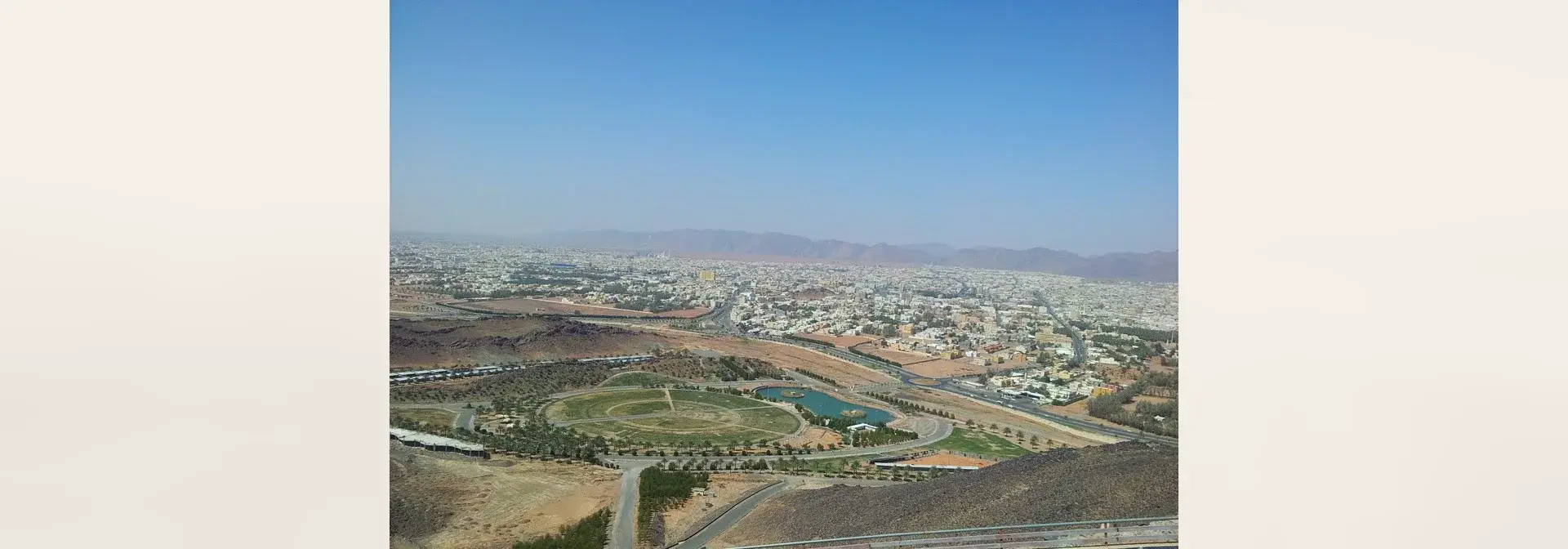
Hail City is a Saudi city in Hail region, known as the land of rock art inscribed on the World Heritage List; it contains museums and historical markets that reflect the depth of its civilisation, together with a deep-rooted desert heritage. [1]
The city brings together heritage sites, historical palaces and mountain views in the north of the Kingdom of Saudi Arabia. [10]
Rock art and World Heritage sites
The historical city of Jubbah is a site inscribed on the World Heritage List, holding ancient rock inscriptions at Jabal Umm Sinman and a ghawta that recount the story of humankind across thousands of years. [3]
Jabal Umm Sinman lies within the rock art of Hail, a World Heritage site whose rock inscriptions are more than 10,000 years old and depict the life, hunting and rituals of early humans in the Arabian Peninsula. [4]
Historical landmarks and urban heritage
Al-Qishla Palace is a heritage landmark in the city that combines the old military and administrative character; it holds 143 rooms, defensive towers and wide courtyards, and hosts tourism and cultural events. [2]
Barzan Palace is a historical urban site whose towers, 12 metres high, once dominated the scene, and it is one of the landmarks of urban heritage in Hail. [5]
Museums and cultural sites
The houses of Hatem Al-Taai in Tuwairin carry the story of the best-known symbol of Arab generosity, and offer their visitors a cultural and heritage experience. [6]
Al-Naif Museum displays a rich collection of traditional and craft tools and everyday objects, giving an authentic glimpse of the deep-rooted Saudi heritage. [7]
Archaeological sites and historical routes
Pilgrims and traders made for the routes of the historical city of Fayd in Hail region, a city distinguished by its many wells, its archaeological mosque and inscriptions carved into the rocks of its mountains. [9]
Nature
Hail City is surrounded by the Aja and Salma mountains, foremost among them the Aja mountains with their granite peaks, quiet valleys and views that draw lovers of hiking and exploration. [8]
Frequently asked questions
Q: Where is Hail City located? A: It lies in Hail region in the north of the Kingdom of Saudi Arabia, and is known as the land of rock art inscribed on the World Heritage List.
Q: What are the most prominent heritage sites in Hail? A: The historical city of Jubbah and Jabal Umm Sinman, both of them sites inscribed on the World Heritage List.
Q: How old are the rock inscriptions at Jabal Umm Sinman? A: They are more than 10,000 years old.
Q: What are the most prominent historical landmarks in the city? A: Al-Qishla Palace with its 143 rooms, and Barzan Palace with its towers that rise 12 metres.
Q: What are the most prominent cultural sites in Hail? A: The houses of Hatem Al-Taai in Tuwairin, and Al-Naif Museum with its traditional and craft tools.
Summary
Related topics
- RegionHail RegionA north-central Saudi region administered from Hail, associated with the Aja and Salma mountains, the Nafud desert, historical caravan routes and varied regional activities.
- HistoricRock Art of HailThe Rock Art of Hail is a World Heritage property in the Hail Region of Saudi Arabia, inscribed on the UNESCO list in 2015, comprising the largest rock art complexes in the Arabian Peninsula with engravings spanning about 10,000 years.
- HistoricAja and Salma MountainsThe Aja and Salma mountains are two mountain ranges in the Hail Region and among its most famous natural and heritage landmarks, forming a destination for environmental and mountain tourism and for archaeological sites that include the palace of Hatim al-Ta'i and Darb Zubaydah [1].
- EventEmirate of Jabal ShammarThe Emirate of Jabal Shammar is an emirate that arose in the Hail region, and it came to govern the region after the Emirate of Al Ali that preceded it. In its last years it was linked to its position towards the Ottoman State during the First World War, and then its era ended with the annexation of Hail to the Saudi State in the reign of King Abdulaziz in 1340 AH.
- HistoricDarb ZubaydahThe Kufa pilgrimage road linking Iraq to Makkah through five Saudi regions, used since before Islam and named after the spring dug by Zubaydah bint Ja'far.
- HistoricThe Great Nafud DesertThe Great Nafud Desert is a vast sand sea in the north of the Kingdom of Saudi Arabia, covering about 65,000 km², or nearly 3.2% of the Kingdom's land area, with wide parts lying within the Imam Turki bin Abdullah Royal Reserve. It contains a diversity of dune forms and notable landmarks such as Jabal Al-Ulaym and Nafud Al-Ashyakh.
Sources & references
- Saudi Tourism Authority — Hail
- Saudi Tourism Authority — Al-Qishla Palace
- Saudi Tourism Authority — the historical city of Jubbah
- Saudi Tourism Authority — Jabal Umm Sinman
- Saudi Tourism Authority — Barzan Palace
- Saudi Tourism Authority — the houses of Hatem Al-Taai
- Saudi Tourism Authority — Al-Naif Museum
- Saudi Tourism Authority — the Aja mountains
- Saudi Tourism Authority — the historical city of Fayd
- Saudi Tourism Authority — guide to the heritage sites of Hail